Contents
Nostalgic: More Than Just a Feeling
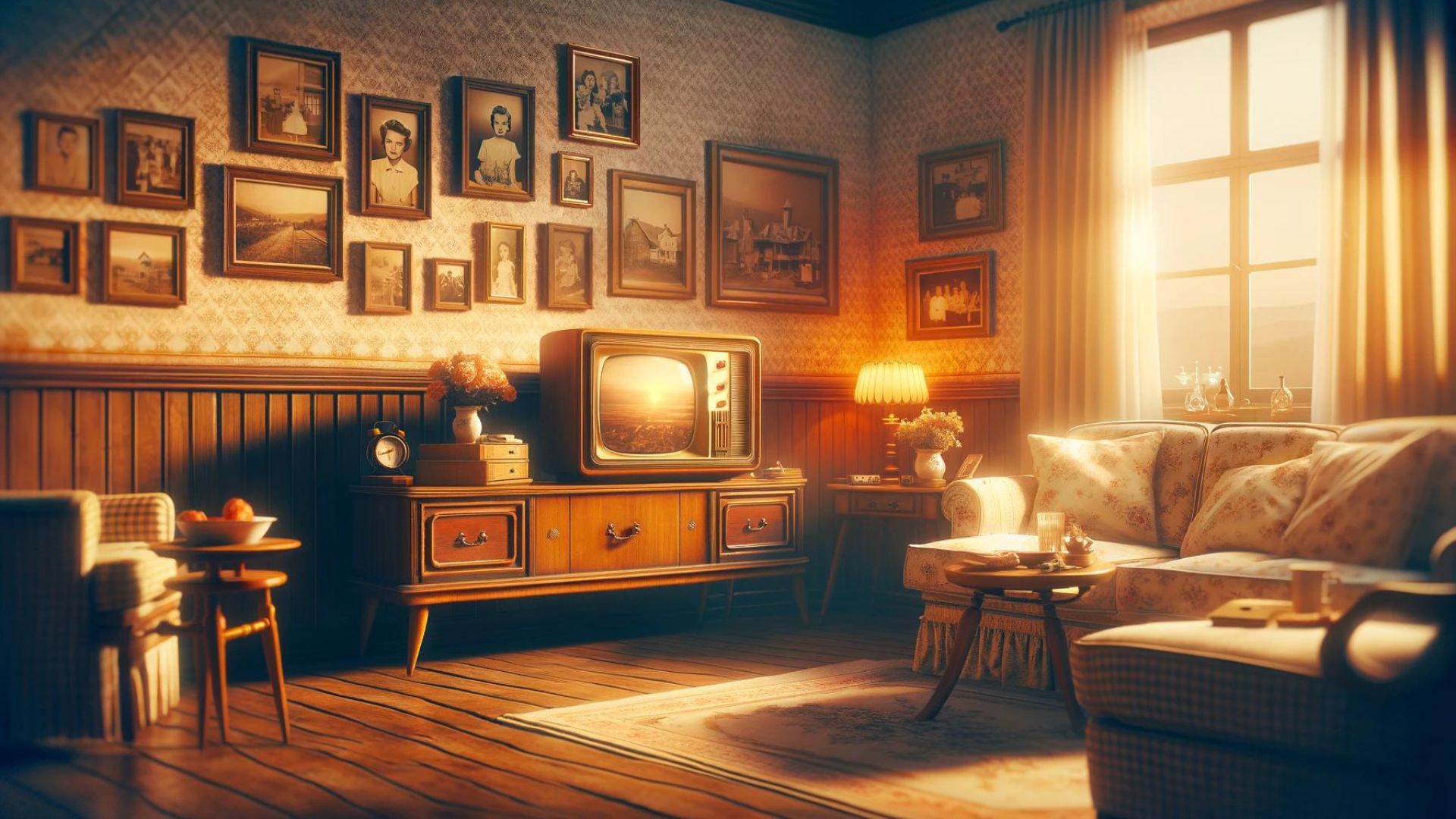
The word "nostalgic" carries a unique emotional weight. It describes a sentimental longing or wistful affection for the past, often accompanied by a bittersweet mix of happiness and sadness.
Understanding the Nuances
Nostalgia isn't just about remembering old times; it's about how those memories make us feel. It's the warmth of childhood summers, the thrill of a first love, or the comfort of a familiar song.
Nostalgia as an Emotion:
- "I felt so nostalgic looking through my old photo albums."
- "The smell of freshly baked cookies always makes me nostalgic for my grandmother's kitchen."
Nostalgia as a Descriptor:
- "The movie's soundtrack was full of nostalgic songs from the '80s."
- "The antique store was a treasure trove of nostalgic items."
When "Nostalgic" is a Fitting Word
- Sharing Personal Memories: When reminiscing about positive experiences from your past, "nostalgic" is a perfect fit. It conveys the fondness and longing associated with those memories.
- Example: "Remember that time we went camping and got lost? I get so nostalgic thinking about it."
- Describing Art and Media: When discussing works that evoke feelings of the past, "nostalgic" is a common descriptor. It can refer to the content itself or the emotions it elicits.
- Example: "The band's new album has a nostalgic sound that reminds me of my teenage years."
When "Nostalgic" Might Not Be the Best Choice
- Negative Experiences: While nostalgia often has a positive connotation, not all memories are happy ones. If you're describing a difficult or painful experience, it might be better to use words like "saddened," "regretful," or "bittersweet."
- Example: Instead of saying "I felt nostalgic remembering my childhood bullies," you could say "I felt saddened remembering the bullying I experienced as a child."
- Overusing the Word: Like any descriptive word, using "nostalgic" too frequently can dilute its impact. Vary your vocabulary to keep your writing or speech engaging.
- Example: Instead of always saying "I feel nostalgic," you could try "I feel sentimental," "I'm reminiscing," or "I'm feeling wistful."
Embrace the Sentimentality
Nostalgia is a powerful emotion that connects us to our past and shapes our present. By understanding the nuances of the word "nostalgic," we can express our feelings more accurately and authentically.
So go ahead, indulge in a little nostalgia. Let it transport you back to cherished moments, and remember that it's okay to feel a bit sentimental sometimes.







0 Comments