Contents
[show]
Steering Clear of "Like" Landmines: Common Mistakes in English
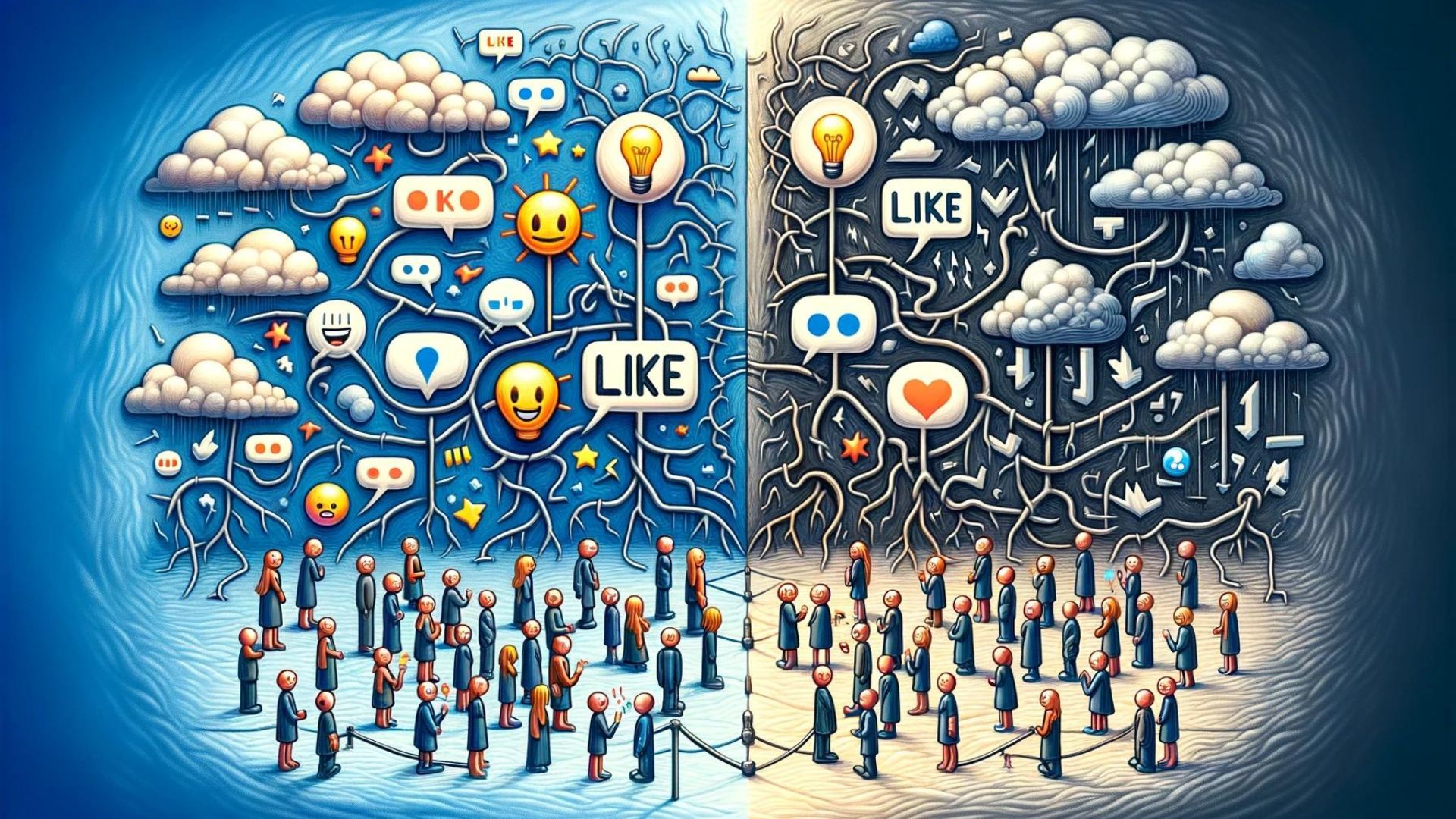
The word "like" seems simple enough, but it often trips up English speakers leading to some common grammatical slip-ups. Let's dive into the most frequent "like" errors, why they're wrong, and how to navigate these tricky situations.
Mistake #1: Using "like" Instead of "as" or "as if"
- The Error: "It feels like I've been waiting forever." "He acts like he owns the place."
- Why it's Wrong: In these cases, "like" should be replaced with "as" or "as if" to create comparisons or introduce a hypothetical situation.
- The Fix: "It feels as if I've been waiting forever." "He acts as if he owns the place."
Mistake #2: Overusing "like" as a Filler Word
- The Error: "So, I was, like, walking to the store, and then, like, this thing happened..."
- Why it's Wrong: Overusing "like" makes your speech sound imprecise and less effective.
- The Fix: Pause, take a breath, and choose more descriptive words. Replace some instances of "like" with brief pauses to give your phrasing more impact.
Mistake #3: "Like" Where it Doesn't Belong
- The Error: "I enjoy activities like hiking and to swim."
- Why it's Wrong: "Like" should be followed by a noun or a gerund (-ing form of a verb). Using an infinitive (to + verb) is incorrect.
- The Fix: "I enjoy activities like hiking and swimming."
When "Like" IS Correct
Don't get like-phobic! It has its proper uses:
- Similes: "Her eyes sparkled like diamonds."
- Showing Preference: "I like tea more than coffee."
- Informal Approximations: "The party must have had, like, a hundred people!"
Mastering "Like"
Understanding the common pitfalls helps you use "like" with more precision. Here are some tips:
- Proofread and Listen: Read your writing, and notice how you speak. Are you overusing "like"?
- Variety is Spice: Find synonyms or alternative phrases to avoid repetitive uses of "like."
- Formal vs. Informal: Be mindful of context; limit filler "likes" in formal speech or writing.
By understanding the nuances of "like", you'll ensure your communication is clear, polished, and error-free! Let me know if you'd like specific examples or analysis of any other commonly misused words.







0 Comments