Why Do Men’s and Women’s Shirts Button Differently?

by Danny Ballan | Apr 24, 2024 | Flash Facts

The Button Mystery: Why Men's and Women's Shirts Differ

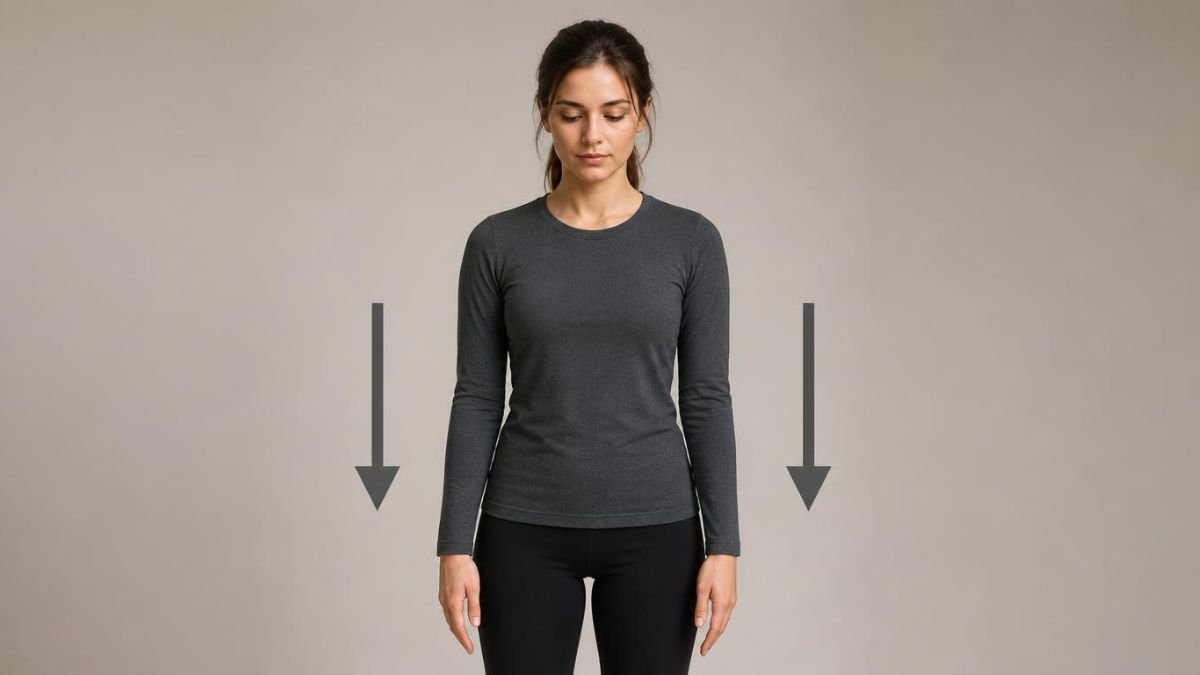
Ever fumbled with buttons while getting dressed? You're not alone! If you wear both men's and women's clothing, you've likely noticed a subtle but persistent difference: the buttons are on opposite sides. But why?

Historical Roots

The tradition has a few possible origins:

  • Wealthy Women and Maids: In earlier centuries, wealthy women often didn't dress themselves. Since most people are right-handed, buttons on the left made it easier for maids to assist their ladies.
  • Men and Weaponry: Some historians suggest men's button placement on the right might stem from how swords were carried, making it easier to draw a weapon with the dominant hand.
  • Breastfeeding Convenience: Buttons on the left potentially made it easier for women to discreetly breastfeed infants, typically held in the left arm.

Is it Still Relevant?

While these historical reasons might not be as applicable today, the tradition stuck! Fashion often clings to curious customs, and manufacturers maintain the standard. However, some modern designers are challenging this norm with unisex or gender-fluid clothing.

Does it Really Matter?

Ultimately, it boils down to a matter of habit and mild inconvenience. Some people find dressing in clothes with the 'opposite' button placement disorienting, and it undoubtedly contributes to occasional buttoning mistakes.

A Curious Fashion Legacy

The next time you're buttoning a shirt, take a second to consider the history behind this subtle detail. It's a reminder that even the smallest elements of our clothing sometimes carry echoes of the past.


Related Posts

0 Comments

Submit a Comment

This site uses Akismet to reduce spam. Learn how your comment data is processed.

Recent Posts

A History of Sex as a Business

A History of Sex as a Business 09 | The Digital Turn: Platforms, Algorithms, and OnlyFans

This is part 9 of 10 in The Oldest Profession

The internet transformed commercial sex as radically as anything since the industrial revolution — enabling greater autonomy for some, creating new vectors for exploitation for others, and producing a legislative and ethical landscape that nobody has figured out how to navigate. This episode examines FOSTA-SESTA, OnlyFans, the trafficking-platform debate, and where we actually stand.

read more...
A History of Sex as a Business

A History of Sex as a Business 08 | The Business Model: How the Industry Actually Works

This is part 8 of 10 in The Oldest Profession

Beneath the historical narrative is an economic structure — one characterized by specific mechanisms of recruitment, control, and profit extraction that have remained remarkably consistent across centuries and continents. This episode examines the business of commercial sex as a business: how it actually operates, how exploitation is maintained, and where the money actually goes.

read more...
A History of Sex as a Business

A History of Sex as a Business 07 | The 20th Century: Wars, Migration, and the Criminalization Wave

This is part 7 of 10 in The Oldest Profession

The twentieth century saw two world wars that massively expanded military commercial sex economies, massive migration patterns that created new trafficking vulnerabilities, and a wave of criminalization campaigns that often made things worse for the people they claimed to help. This episode traces how the modern policy landscape was created.

read more...

Categories

Follow Us