
Article Audio
[spreaker type=player resource="episode_id=59015367" width="100%" height="200px" theme="dark" playlist="false" playlist-continuous="false" chapters-image="true" episode-image-position="left" hide-logo="false" hide-likes="false" hide-comments="false" hide-sharing="false" hide-download="true"]The Paris Peace Accords: A Story of Hope and the Enduring Price of War
Wars, fueled by hatred, ambition, or ideology, scar the landscapes they touch and leave wounds on entire generations. The Vietnam War was one such brutal conflict, tearing apart a nation and claiming countless lives on all sides. Yet, even amidst the chaos, a flicker of hope emerged – the Paris Peace Accords.
In January 1973, after years of protracted war and grueling negotiations, the United States, North Vietnam, South Vietnam, and the Viet Cong (representing South Vietnamese revolutionaries) gathered in Paris. Their goal was seemingly impossible: to forge a peace agreement and end a war that had raged for decades.
The negotiations were fraught with tension and distrust. Each side held tightly to their demands, and compromises were hard-won. The shadow of continued violence hung heavy in the air, threatening to derail the delicate process. Remember that in real life, peace doesn't appear by magic; it takes hard work, sacrifice, and a willingness to find common ground.
Against all odds, a breakthrough came. The Paris Peace Accords were painstakingly crafted, outlining provisions for a ceasefire, the withdrawal of American troops, the release of prisoners, and a path toward political reconciliation in Vietnam. It was a landmark moment – a ray of sunshine breaking through the darkness of war.
But true peace, like a delicate flower, needs careful nurturing. Did the Paris Peace Accords end all suffering in Vietnam? Sadly, no. The agreement was fragile, and all sides violated it to some degree. Fighting intensified, and in 1975, the North Vietnamese successfully took control of South Vietnam, ending the war... though not the hardship endured by the Vietnamese people.
So, was it all in vain? Was the Paris Peace Accords a pointless exercise? The answer is more complex.
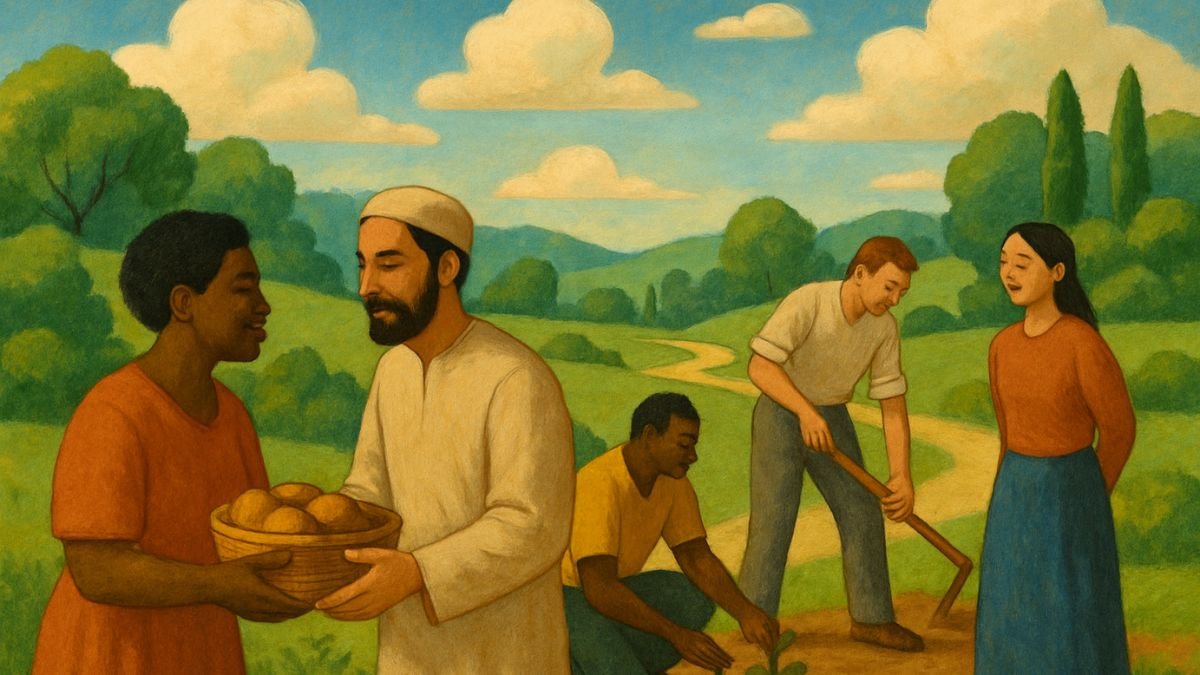
Wars end in one of two ways: a decisive military victory or a negotiated settlement. Few wars offer the luxury of a clean ending, leaving the "losers" with unresolved grievances ready to reignite violence. Negotiated peace, like the Paris Peace Accords, rarely solves everything. Yet, it offers a chance – a chance to stop the immediate bloodshed, to begin the healing, and to plant the seeds for a better future.
The Paris Peace Accords did lead to the withdrawal of American troops and the release of prisoners – significant steps forward Even though violence persisted, those moments of respite from all-out war are precious. Just ask civilians caught in warzones in today's world if they dream of a break in the violence, even a temporary one.
The lessons of the Paris Peace Accords continue to resonate. They remind us that even the most entrenched conflicts can find a path toward resolution, however difficult it may be. They illustrate the devastating human cost of war, and the urgent need to pursue peace, even when it seems unattainable.
Today, conflicts rage across the globe, fueled by the same forces that drove the Vietnam War. Now, as then, the path to peace is lined with obstacles. But if we learn from history, if we find the courage to compromise, the determination to persevere, and the empathy to understand our adversaries, the hope for peace, however fragile, will remain alive.
So, the next time you hear about a war, whether far away or close to home, remember the Paris Peace Accords. Remember that peace is always worth striving for, even against all odds. Let's choose the difficult path of dialogue over the quick descent into violence.
Why Should You Care?
- Learn from history to avoid repeating it: The Vietnam War and the Paris Peace Accords hold valuable lessons in conflict, its cost, and the complexities of peacemaking. Studying them helps us understand how to better approach contemporary wars and seek nonviolent solutions.
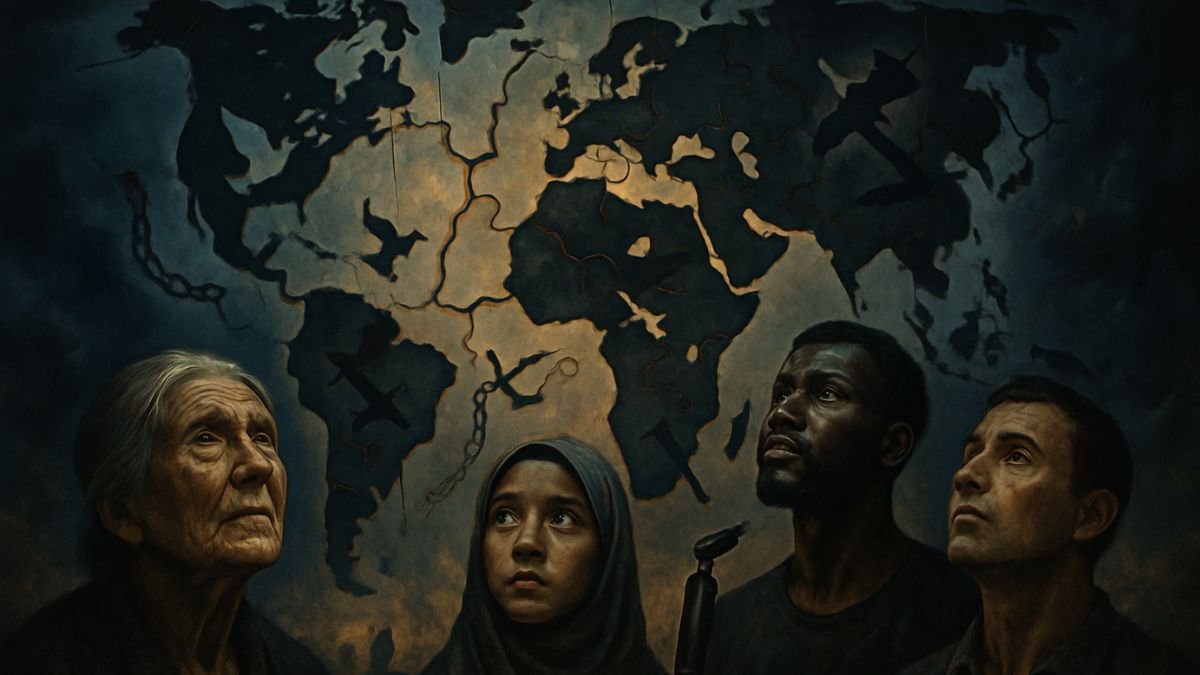
- Understand the human cost of conflict: Wars aren't about statistics; they're about real people. Learning about the Vietnam War and those affected puts a human face on vast suffering, encouraging empathy and a strong desire for peace.
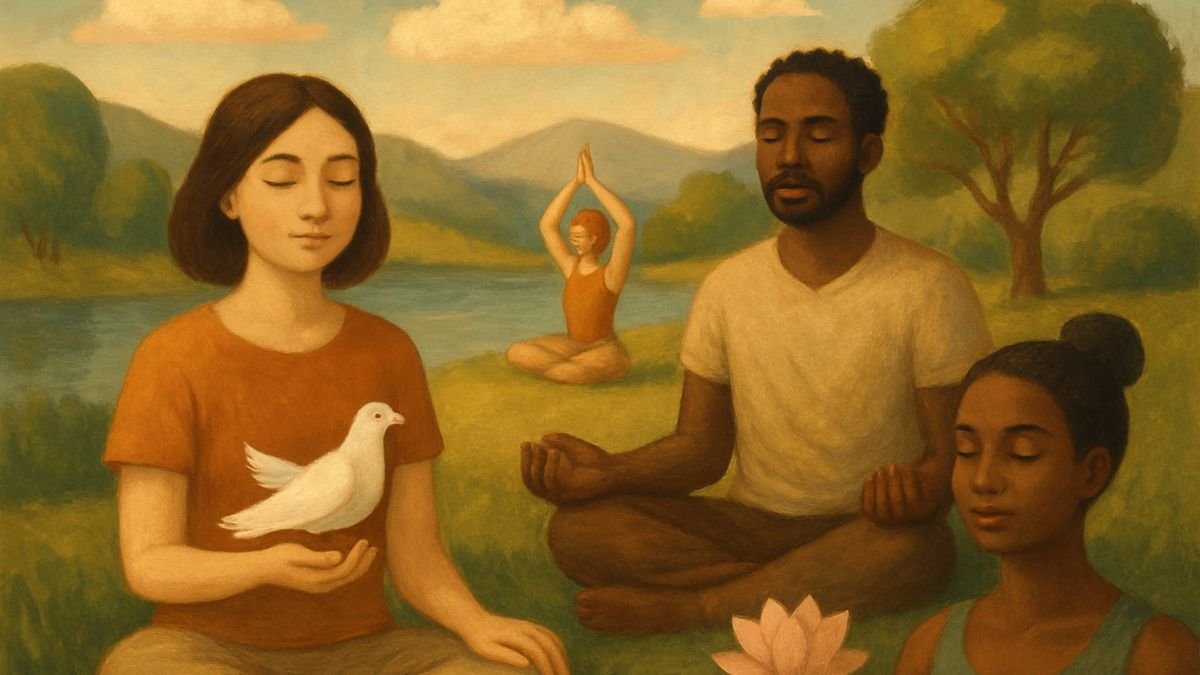
- Appreciate the preciousness of peace: We often take peace for granted. History reveals how fragile and hard-won it is. This knowledge should inspire us to value peace and proactively work to prevent wars.
Key Takeaways:
- Peace, even in the most difficult conflicts, is achievable through persistent diplomacy.
- War always brings immense human suffering, regardless of who "wins."
- Peace agreements are rarely perfect, but they can still save lives and offer a crucial foundation for rebuilding.
- The pursuit of peace demands compromise, understanding, and a tireless commitment to dialogue.
Keywords:
- Vietnam War: A protracted conflict (1955-1975) between communist North Vietnam and U.S.-backed South Vietnam, resulting in millions of casualties.
- Paris Peace Accords: Agreements signed in 1973 intended to end the Vietnam War, establish a ceasefire, and outline a path to Vietnamese reunification.
- Negotiation: A process involving discussion and compromise to reach an agreement.
- Ceasefire: A temporary cessation of hostilities.
- Prisoner of War (POW): A person captured by an opposing force during wartime.
- Diplomacy: The art of managing international relations through dialogue and negotiation.
- Political Reconciliation: The process of mending relationships between opposing groups after a conflict.
- North Vietnam: The communist-led government of the northern half of Vietnam, supported by the Soviet Union and China.
- South Vietnam: The U.S.-backed government of southern Vietnam.
- Viet Cong: A communist-led revolutionary group in South Vietnam that fought against the South Vietnamese government and U.S. forces.
Frequently Asked Questions:
Could the Vietnam War have been avoided altogether?
Historians debate factors leading up to and escalating the war, like the U.S. policy of containment and fears of communist expansion.
What was life like for civilians in Vietnam during the war?
Civilians endured bombing campaigns, displacement, food shortages, and were targets of violence. The war left enduring physical and psychological trauma.
How did the Paris Peace Accords impact the global geopolitical landscape?
The accords signaled a shift away from direct U.S. involvement in Southeast Asia and raised questions about the limits of American power.
Myth Buster:
Myth: The Paris Peace Accords brought immediate and lasting peace to Vietnam.
Reality: Although it did lead to some positive outcomes, the agreement was unstable. War continued, and a true peace took much longer and remains an ongoing project for Vietnam.
Let's Talk:
- Do you think peace is always attainable, or are some conflicts too deeply entrenched?
- What do you believe are the biggest barriers to achieving peace in modern conflicts?
- How can we, as everyday citizens, support peacebuilding efforts?
Please share your thoughts in the comments below!




0 Comments