
When you think of economics, the first things that might come to mind are markets, trade, and investment. But there's an often-overlooked aspect that is equally crucial for sustainable growth: the Economics of Peace. This concept explores how peace and cooperation, not conflict and competition, can be powerful catalysts for prosperity.
Understanding the Economics of Peace
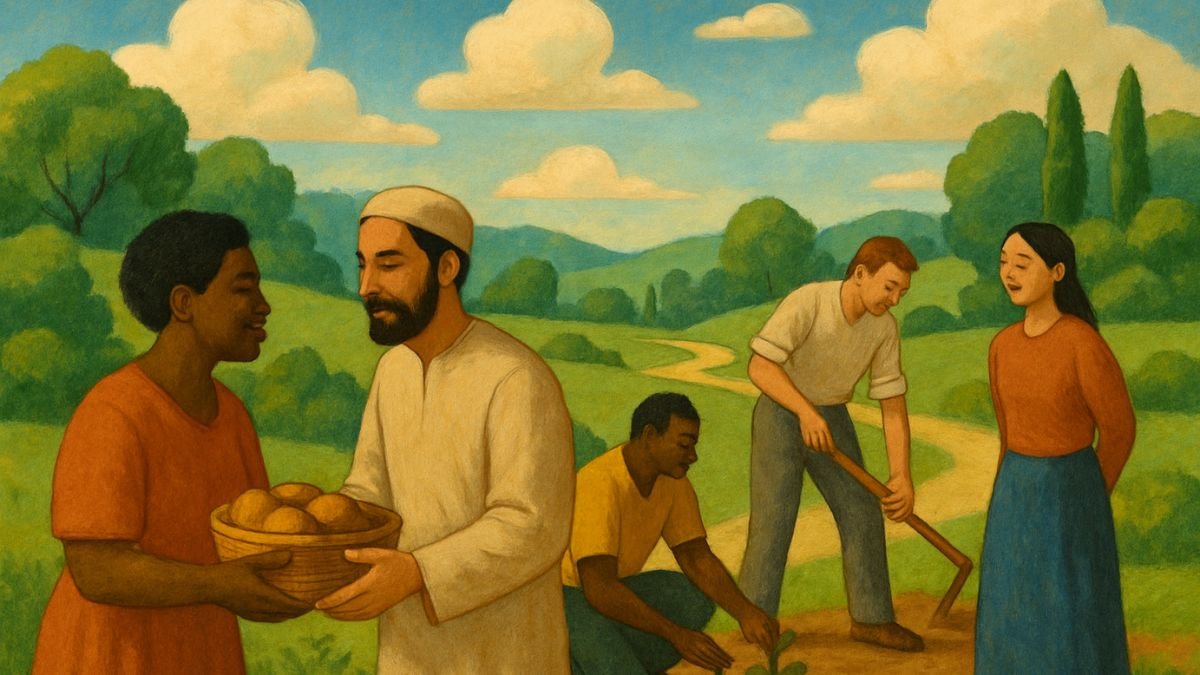
At its core, the Economics of Peace argues that peaceful cooperation between nations and communities leads to economic benefits for all involved. This approach prioritizes dialogue, diplomacy, and collaboration over conflict and competition.
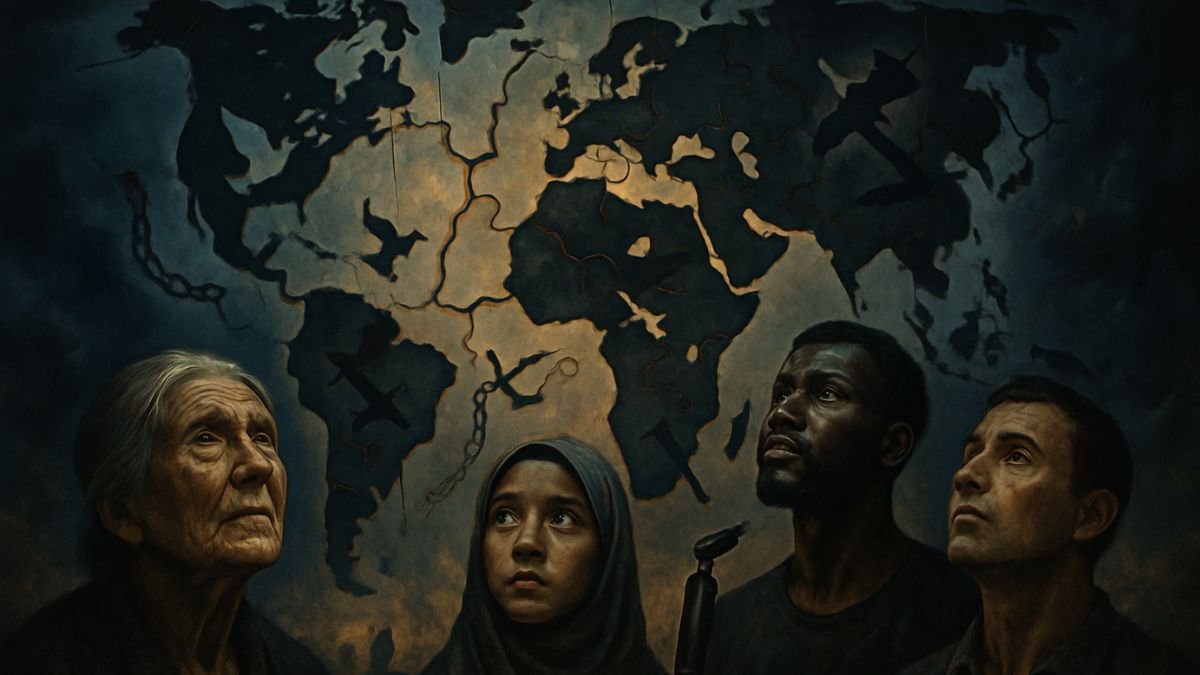
- Reduced Costs of Conflict: War and conflict are expensive. They drain resources, destroy infrastructure, and disrupt markets. Peaceful nations avoid these costs, allowing them to invest more in growth and development.
- Increased Trade and Investment: Peaceful relationships between countries lead to more trade and foreign investment. Consider the European Union, where former adversaries now thrive together in one of the world's largest single markets.
- Innovation through Collaboration: Peaceful cooperation fosters an environment where ideas and knowledge are freely exchanged. This collaboration can lead to significant innovations and advancements.
Real-Life Examples of Peace Economics
- The Marshall Plan after World War II: This U.S. program helped rebuild European economies, which led to decades of prosperity and the creation of strong allies.
- The Rise of South Korea: Post the Korean War, South Korea focused on peaceful development and international cooperation, transforming into a global economic powerhouse.
The Ripple Effects of Peace
Peace and economic stability are deeply interconnected. A stable economy reduces poverty and inequality, which in turn decreases the likelihood of conflict. This cycle of peace and prosperity can uplift entire regions.
Applying Peace Economics in Your Life
While the concept may seem grand, it has practical applications in everyday life. In your workplace, community, or even family, fostering an environment of cooperation and understanding leads to better outcomes. Whether it's through collaborative projects, community service, or open dialogue, every action toward peace is a step towards shared prosperity.
So, take a moment to reflect on how you can contribute to an atmosphere of peace and cooperation. It could be as simple as resolving a conflict amicably or as significant as initiating a community project. Remember, when we choose peace and cooperation, we're not just making a moral decision; we're investing in a more prosperous and sustainable future for all.
Why Should You Care?
Understanding the Economics of Peace is crucial because it extends beyond theoretical concepts and impacts global and local prosperity. It demonstrates how peace, often viewed only as a moral or social ideal, is fundamentally intertwined with economic stability and growth. This knowledge is vital for anyone interested in how peaceful cooperation can lead to shared prosperity, whether in international relations, community development, or personal interactions.
Key Takeaways
- The Economics of Peace emphasizes cooperation over conflict, leading to mutual economic benefits.
- Peaceful conditions reduce the costly impacts of war and conflict, allowing for more resources to be allocated to growth and development.
- Trade and investment thrive in peaceful environments, as seen in the European Union's success.
- Collaborative innovation is a byproduct of peaceful cooperation, fostering technological and social advancements.
- Economic stability derived from peace can reduce poverty and inequality, creating a positive cycle of growth and stability.
Keywords
- Economics of Peace: An area of economics that studies the impact of peace on economic activity, emphasizing cooperation and conflict resolution.
- Global Cooperation: Collaborative efforts among countries and cultures to achieve common goals, particularly in economic, social, and political spheres.
- Prosperity: The state of being successful, usually by making a lot of money, or the overall economic health of a society.
- Conflict Resolution: The process of resolving a dispute or disagreement peacefully and effectively.
- Economic Growth: The increase in the amount of goods and services produced by an economy over time.
- Trade and Investment: The exchange of goods and services between countries (trade) and the allocation of resources, particularly money, into business ventures (investment).
- Innovation: The process of creating new ideas, products, or methods, often leading to technological or social advancements.
- Marshall Plan: A U.S. program that provided aid to Western Europe following the devastation of World War II, to rebuild economies and prevent the spread of communism.
- Poverty and Inequality: Economic conditions where people lack sufficient income or resources (poverty) and where there is an uneven distribution of wealth among a population (inequality).
- Sustainable Future: A future in which resources are used in a way that meets current needs without compromising the ability of future generations to meet their own needs.
Frequently Asked Questions
How can individuals contribute to the Economics of Peace?
Individuals can contribute by promoting understanding and cooperation in their communities, supporting peaceful conflict resolution, and advocating for policies that foster economic collaboration and fair trade.
Can peace economics work in a competitive global market?
Yes, peace economics is not about eliminating competition but about finding ways for competition to coexist with cooperation, where the success of one does not necessitate the failure of another.
Myth Buster
Myth: Economics of Peace is only about avoiding war.
Reality: While avoiding war is a significant aspect, the Economics of Peace also involves creating conditions for sustainable economic growth through cooperation, innovation, and equitable resource distribution.
Let's Talk
- How do you think peace and economic prosperity are connected in today’s world?
- Can you think of examples where economic cooperation led to peaceful outcomes?
- What role can young people play in promoting the Economics of Peace?
Feel free to share your thoughts in the comments below. Your insights on how peace and economics intertwine in our world can provide a deeper understanding of the path to shared prosperity.







0 Comments