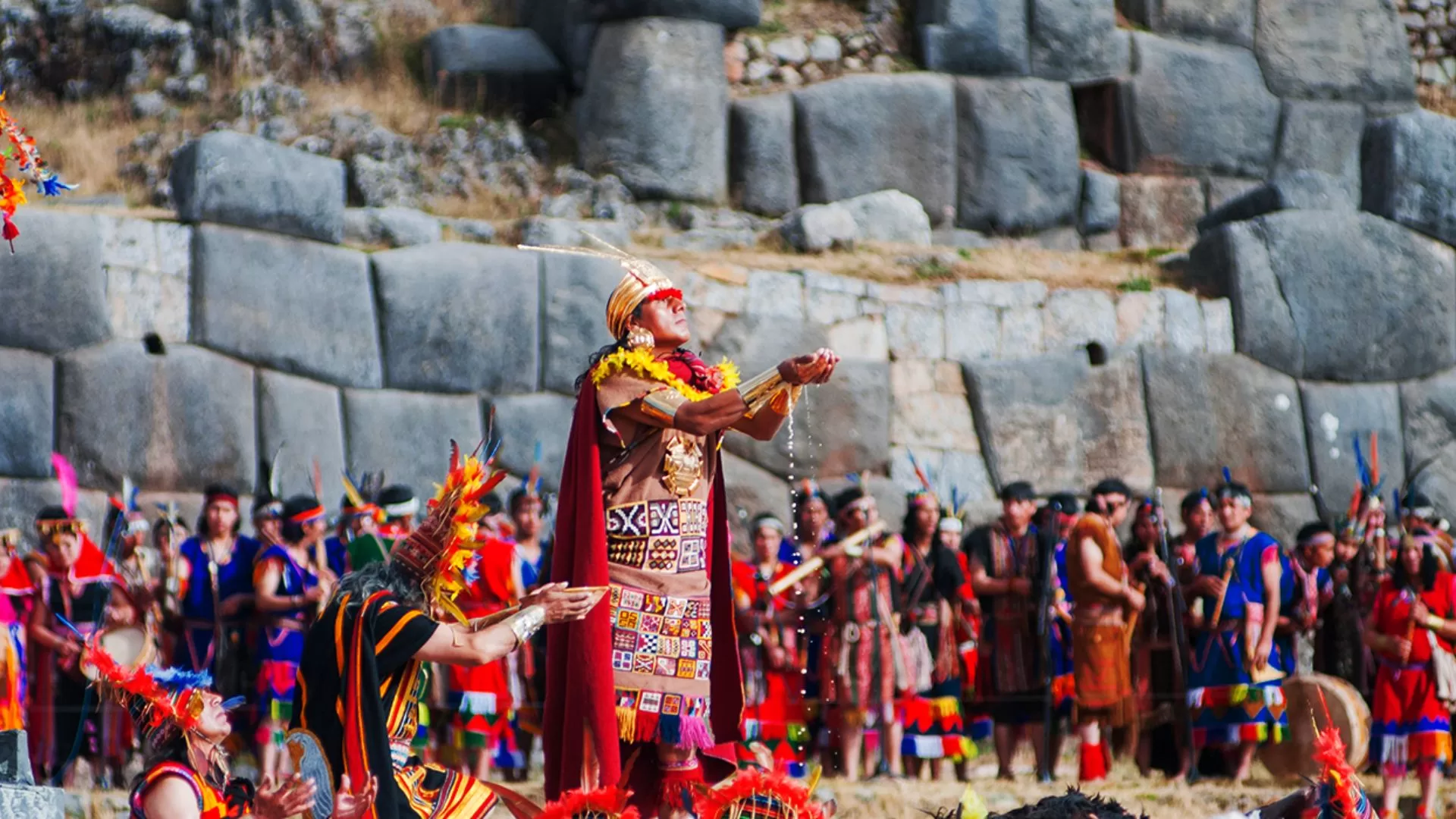
Peru - a tapestry of picturesque landscapes, fascinating history, and colorful cultures. As you delve deeper into the pages of this nation’s story, you'll find chapters written in the ink of the Incas. And amidst these tales, one tradition, in particular, stands out in golden hues – the Inti Raymi Festival.
Ah, the Incas. Now, you might have heard of these folks. You know, the ones responsible for that little mountaintop marvel called Machu Picchu? Well, the Incas weren't just great builders; they were masterful astronomers, mathematicians, and, let's face it, party planners. Enter the Inti Raymi Festival.
Imagine this: A day where the sun stands still. A day the Incas believed was when the sun god, Inti, was closest to the earth. This wasn't just any day; it was the winter solstice. For the Inca Empire, the sun wasn't just a celestial body; it was a deity, a lifeline, the very heart of their existence. After all, when you're farming on Andean slopes, sunlight is a pretty big deal.
So, every year, as the sun took its lowest dip in the sky, the Incas threw a celebration to end all celebrations. Their aim? To make sure that golden orb kept coming back, providing warmth, light, and, well, some excellent party vibes.
Let’s jump into the way-back machine for a moment. The original Inti Raymi gatherings were, simply put, legendary. We're talking nine days of dancing, feasting, and ceremonies. The Sapa Inca, the emperor himself, would start the festivities by drinking a toast to Inti. Then, embracing the essence of 'sharing is caring,' he'd pour some chicha, a traditional corn beer, onto the ground as an offering.
After various rituals, including sacrifices to ensure good crops and fortune (luckily, these aren’t part of the modern festival – phew!), the streets would come alive with vibrant parades, colorful costumes, and music that echoed the heartbeat of the Andes. Think of it as a combination of the best street party you've ever been to, combined with the gravitas of a sacred ceremony.
Fast forward to today, and while the Inca Empire might be a chapter in history books, their spirit is far from dormant. Every year, Cusco, the ancient Incan capital, ditches the 21st century for a bit and becomes a living canvas of Incan traditions. While we might be minus the emperor, the modern Inti Raymi still captures the grandeur and reverence of the ancient festival. Thousands gather in the city, both locals and travelers (maybe like you?), to be a part of this enchanting event.
Now, if you're ever lucky enough to be in Cusco during Inti Raymi, here's some friendly advice: bring your best dancing shoes and an empty stomach. Between the traditional Andean music that’s bound to get your feet moving and the delectable Peruvian dishes being served (ever tried guinea pig?), it's a sensory fiesta.
But beyond the merriment and festivities, there's a deeper narrative at play. Inti Raymi isn't just a nod to the past; it's a bridge between generations. It’s a testament to how stories, traditions, and beliefs can traverse time, remaining relevant and cherished. It reminds Peruvians, and all who partake, of the timeless bond between humanity, the earth, and the cosmos.
So, the next time you sip on a Pisco sour or hum to the tunes of pan flutes, take a moment to appreciate the rich tapestry of culture and history that underpins Peru. The Inti Raymi Festival isn’t just a celebration; it’s a symbol. A symbol of resilience, reverence, and the radiant dance between the sun and a people who refuse to let their heritage fade into the shadows.
In the end, whether you've experienced Inti Raymi firsthand, or are just now hearing about it, one thing's for sure: the sun has never looked the same again. So, here’s to Peru, the Incas, and a tradition that proves that some things, much like the sun, are truly timeless. Cheers! Or as the Peruvians would say, ¡Salud!







0 Comments