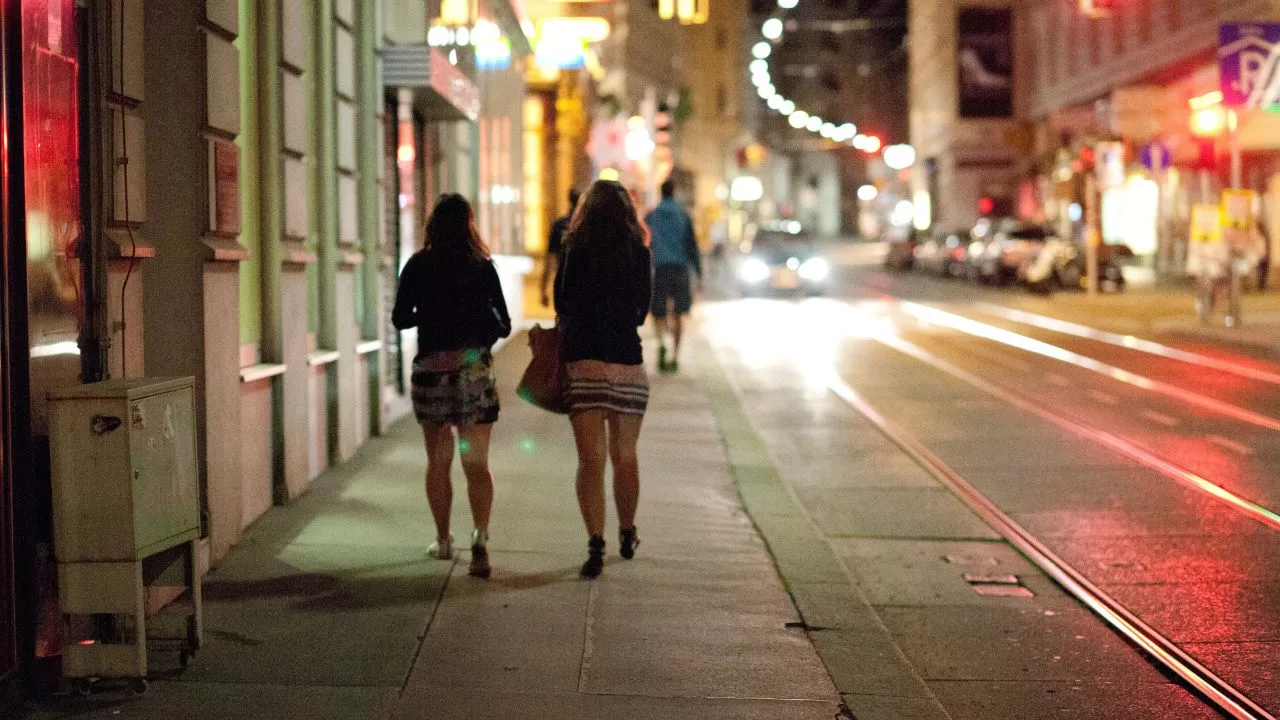
Under the warm hues of the setting sun, when the day's work is done and the evening begins to unfold, a timeless Italian tradition comes to life. The shops pull down their shutters, homes open their doors, and like a well-rehearsed dance, people of all ages pour into the streets. This is the 'Passeggiata', a ritual so profoundly woven into the fabric of Italian life, it has become almost inseparable from the culture itself.
The Passeggiata, translated as 'little walk', is an evening stroll practiced across Italy. From the rustic lanes of Tuscany to the vibrant streets of Rome, Italians engage in this communal saunter that serves as a transition between the stresses of the day and the pleasures of the evening. Yet, to limit the Passeggiata to its literal meaning would be to skim over its cultural richness.
The act of Passeggiata isn't about the destination but the journey. As you navigate through a sea of Italians engaged in their evening stroll, you notice the languid pace, the leisurely gait, the unwritten rule that this isn't a walk for exercise, but for pleasure. The Passeggiata isn't hurried; it's a deliberate act of slowing down, a gentle resistance against the tyranny of modern speed.
Observe the participants of the Passeggiata, and you'll see a diverse tapestry of Italian society. You see young lovers walking arm in arm, their faces glowing with the promise of budding romance. You see families, with children darting around the adults, their laughter echoing through the streets. You see elderly couples moving with a dignified grace, their hands tightly clasped, as if holding onto a shared history.
On the surface, the Passeggiata may seem like a mundane routine, a simple act of walking. However, delve deeper, and you uncover a complex social dance. This is a time for Italians to see and be seen, to engage in 'La Bella Figura', the art of making a good impression. There's an unspoken dress code, a subtle showcase of style and elegance. It’s not vanity, rather it's an appreciation of beauty, an inherent part of Italian culture.
As the Passeggiata unfolds, it creates a rhythm that pulses through the streets. Shops may close, but cafes, gelaterias, and bars spring to life, their lights twinkling like stars scattered across the twilight canvas. People pause their walk to savor an espresso, a scoop of gelato, or a glass of Prosecco. These little indulgences aren't just acts of consumption, they are moments of savoring life, a celebration of 'La Dolce Vita'.
What makes the Passeggiata truly beautiful is the sense of community it fosters. Amid the flux of people, greetings are exchanged, news is shared, and advice is offered. In these interactions, you witness the strong social fabric of Italy. The Passeggiata is more than a walk; it's a living, breathing social network, a testament to the Italian spirit of camaraderie and sociability.
But beyond the social and aesthetic aspects, the Passeggiata holds a deeper significance. In this simple act of walking, you find an embodiment of the Italian approach to life - an appreciation for leisure, a balance between work and relaxation, a conscious savoring of the moment. The Passeggiata isn't an escape from life but an embrace of it. It's a reminder that life isn't a race to be won, but a journey to be enjoyed.
As the Passeggiata draws to a close, and the night wraps the town in its velvety cloak, the streets start to empty, returning to their usual calm. But even in the quiet, the echoes of the Passeggiata linger, the shared smiles, the warmth of human connection, the taste of leisurely savored moments.
From afar, the Passeggiata may seem like a quaint cultural tradition, unique to the vibrant landscapes of Italy. Yet, its essence carries a universal appeal. It's a call to slow down, to value the importance of community, to celebrate the joy of simply being.
Through the ritual of the Passeggiata, we not only delve into the cultural richness of Italy but also stumble upon a gentle wisdom. It reminds us that amidst our busy lives, we need to pause, to connect, to savor. As we venture into the realm of the Passeggiata, we learn not just about Italy, but about the art of living, the magic of ordinary moments, and the true essence of happiness.






0 Comments