The Blood of Gaugamela
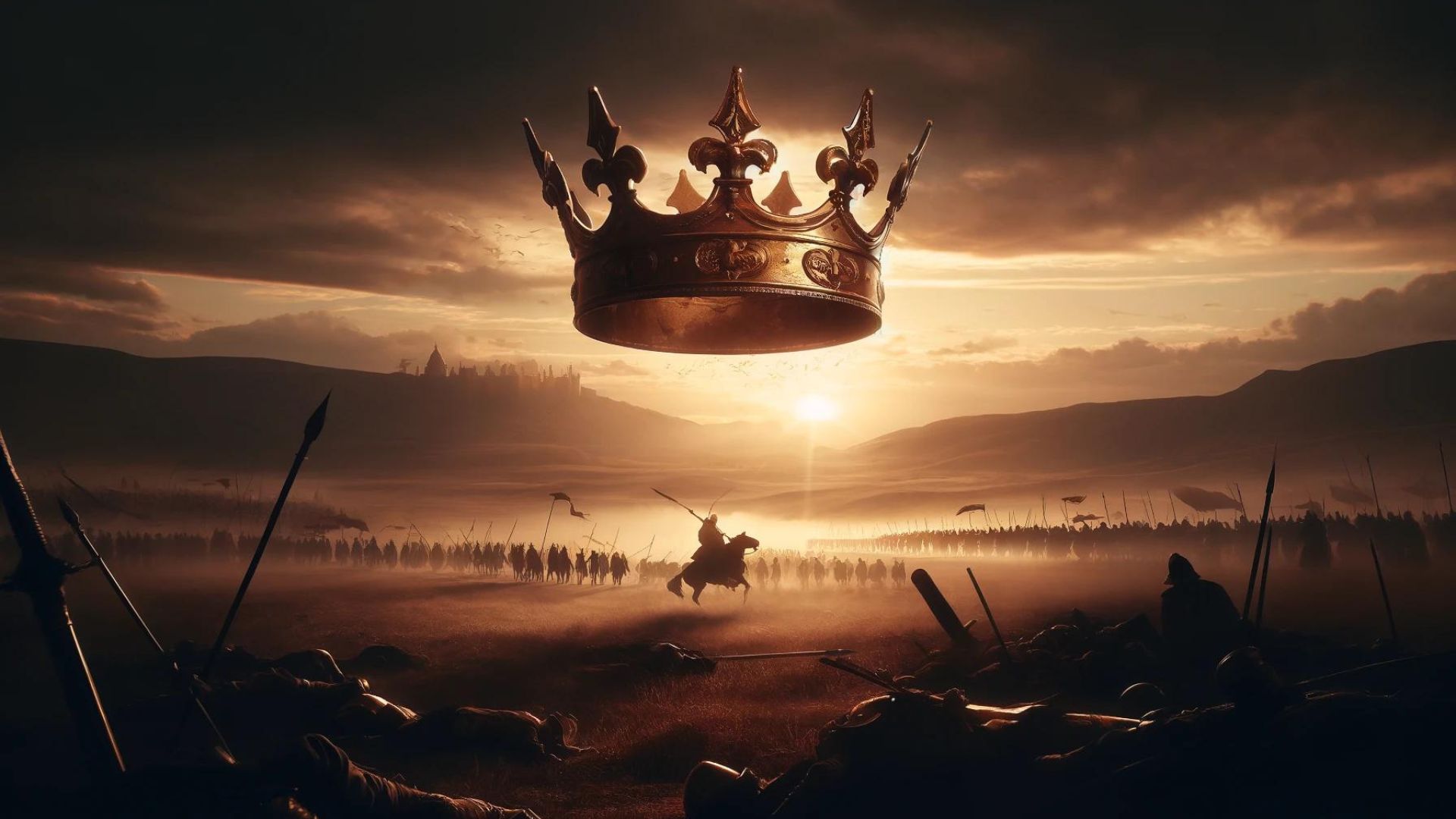
In 331 BC, on a dusty plain in Mesopotamia, two empires clashed. On one side stood a young king named Alexander, a brilliant military strategist fueled by boundless ambition. At his command, the seasoned armies of Macedonia. Opposing him was the vast and mighty Persian Empire led by King Darius III. At stake was nothing less than the destiny of the known world.
Alexander, driven by dreams of uniting the world under his rule, had embarked on a seemingly impossible campaign. Outnumbered and far from home, his victories relied on cunning tactics and a fiercely loyal army. Gaugamela was to be the ultimate test, the culmination of his audacious dreams.
As the two armies thundered towards each other, the air thrummed with tension. The Persian emperor, surrounded by opulence even on the battlefield, was determined to crush this young upstart. Alexander, burning with ambition, saw the Persian Empire as a glorious prize ripe for the taking.
The battle was brutal. Cries of fallen soldiers cut through the clashing of swords and stampeding of horses. Through strategy and sheer force, Alexander's forces broke through the Persian lines, Darius was forced to flee, and the once-mighty Persian Empire crumbled.
A Hollow Crown
Alexander stood victorious, a conqueror. But at what cost? The fields of Gaugamela were soaked in blood, littered with the bodies of countless soldiers on both sides. Yes, an empire had fallen, but was another simply rising in its place?
Alexander's relentless hunger for conquest continued. Even after his victory over Darius, he would not rest. He pressed onward, further into Asia, waging war after relentless war. His unquenchable ambition led his men to the edges of the known world, but also to exhaustion and resentment
The Echoes of History
The tale of Alexander the Great is woven into the tapestry of history. But it's not a story solely of the past. It begs questions we wrestle with even today:
- The Cost of Ambition: Can any cause, no matter how grand, ever justify the sacrifice of countless lives?
- Is War Ever the Answer?: Do victories sown in violence ever truly achieve lasting peace?
- The Cycle of Empires: History has shown us empires rise and fall again and again. Is conflict an inevitable part of the human story?
Unveiling Our Reflection
The Battle of Gaugamela and the legacy of Alexander the Great force a mirror upon ourselves. In the lure of power and territory, do we catch glimpses of Alexander's restless ambition? When nations clash today, do we hear echoes of those ancient battle cries?
Here's where you come in:
- Learn More: Dive deeper into the history of Alexander's campaign. His story is complex and offers many perspectives.
The blood of Gaugamela stains the pages of history as a grim reminder. The pursuit of glory through conquest comes at a terrible price. As we look at the world, let's ask if perhaps true victory lies not in conquering others, but in overcoming our own hunger for endless war.
Why Should You Care?
- Understanding History's Patterns: Studying conflicts like Gaugamela reveals recurring cycles of war, ambition, and the consequences of empire-building. This can inform how we understand present-day conflicts.
- Questioning the True Cost of War: The story of Alexander highlights that even "victories" come at a terrible human cost and rarely lead to lasting peace.
- Leadership and Its Limits: Alexander's complex legacy forces us to examine the fine line between ambition, heroism, and ultimately destructive obsession.
Key Takeaways
- Battlefield victories often don't translate to true peace. Warring empires may simply replace one another in a continuous cycle.
- The human cost of war is immense, and those who pay the highest price are often the common soldiers, not the leaders seeking glory.
- Relentless pursuit of conquest and expansion, no matter how idealized, can bring about ruin even for the "victor."
Keywords and Definitions
- Battle of Gaugamela: A decisive battle in 331 BC, where Alexander the Great of Macedon defeated the Persian Empire's forces, led by Darius III.
- Alexander the Great: Macedonian king and military genius, known for his vast conquests that reshaped the ancient world.
- Darius III: The last king of Persia's Achaemenid Empire, defeated by Alexander the Great.
- Empire: A large territory or group of nations ruled by a single authority, often an emperor, marked by expansion and power struggles.
- Conquest: The act of taking control of a country or people through military force.
- Ambition: Strong desire for achievement, power, or fame.
- Mesopotamia: A historical region in the Middle East, between the Tigris and Euphrates rivers, considered a cradle of civilization.
- Cycle of War: The recurring pattern of empires rising, clashing, and falling throughout history.
- Tactics: Military strategies and methods used to achieve victory in battle or a larger campaign.
- Legacy: The lasting impact or influence of a person or event on the course of history.
Frequently Asked Questions
- What was the main cause of the conflict between Alexander and Persia? Complex factors included: Persian interference in Greek affairs, Alexander's expansionist ambitions, and the desire for control of wealth and trade routes.
- Could the Battle of Gaugamela have been avoided? It's debatable. Some historians argue there was potential for diplomacy, others believe Alexander's relentless conquest was inevitable.
Myth Buster
- Myth: Alexander was a benevolent unifier bringing peace. Reality: His conquests were driven by ambition and thirst for glory and involved immense bloodshed and subjugation of peoples.
Let's Talk
- Do you think Alexander the Great is mostly portrayed as a hero or a villain in historical narratives? Why?
- Can a leader be both a brilliant military strategist AND a force for peace?
- Modern warfare often claims to be for noble causes (like liberation). Does this echo the justifications leaders like Alexander used?
Let's keep the conversation going – share your thoughts in the comments below!








0 Comments