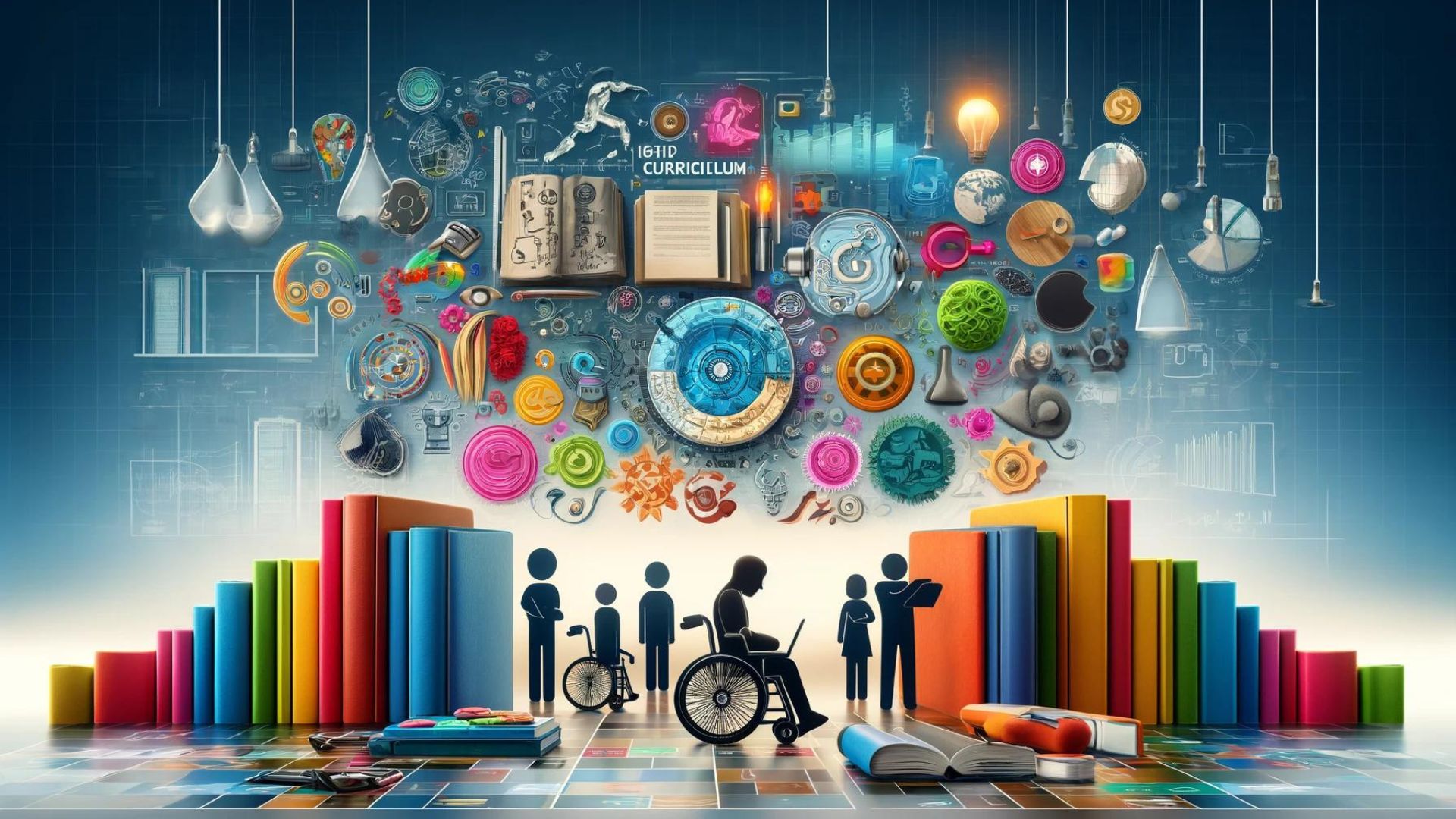
Curriculum Adaptation: The Key to Unlocking Every Student's Unique Brilliance
Picture this: a classroom buzzing with activity. Students are engaged, excited, and learning at their own pace. The magic behind this scene? Curriculum adaptation – a powerful tool that tailors education to fit each learner's individual needs and learning styles. It's like having a wardrobe with clothes for every occasion; each outfit fits perfectly, allowing you to express your unique style.
Curriculum adaptation is not about lowering the bar; it's about providing the right support so every student can reach their full potential. It's about recognizing that diversity is a strength, not a weakness.
Why Curriculum Adaptation Matters
Think back to your school days. Did every lesson resonate with you? Were you always engaged and motivated? Probably not. Traditional "one-size-fits-all" teaching methods often leave some students behind, while others feel bored and unchallenged.
Curriculum adaptation changes that. It acknowledges that learners have different strengths, weaknesses, interests, and backgrounds. By adapting the curriculum, we create inclusive classrooms where everyone feels valued and supported.
Strategies for Success
So, how do we adapt the curriculum effectively? Here are a few proven strategies:
- Differentiated Instruction: This involves providing different options for students to access and process information. For example, some students might prefer visual aids, while others learn best through hands-on activities.
- Universal Design for Learning (UDL): UDL is a framework that ensures the curriculum is accessible to all learners from the start. This means providing multiple means of representation (how information is presented), engagement (how students interact with the material), and expression (how students demonstrate their learning).
- Assistive Technology: Technology can be a game-changer for students with disabilities. Text-to-speech software, speech recognition tools, and alternative keyboards can open up a world of learning opportunities.
- Flexible Grouping: Don't be afraid to mix things up! Sometimes students learn best in small groups, sometimes individually, and sometimes through whole-class activities. Varying the groupings keeps things fresh and caters to different learning styles.
- Ongoing Assessment and Feedback: Regularly assess students' progress and provide constructive feedback. This helps you tailor the curriculum further and ensures that every student stays on track.
Real-World Impact
The impact of curriculum adaptation is undeniable. Studies show that it:
- Improves student achievement: Students who receive adapted instruction often perform better academically.
- Boosts engagement: When students feel understood and supported, they're more likely to be motivated and engaged in their learning.
- Promotes inclusivity: Adapted classrooms create a sense of belonging for all students, regardless of their abilities or backgrounds.
Your Turn to Make a Difference
You don't need to be a teacher or curriculum developer to advocate for curriculum adaptation. As parents, students, or community members, you can:
- Learn more: Educate yourself about different learning styles and needs.
- Advocate: Talk to teachers and administrators about the importance of curriculum adaptation.
- Support: Encourage and support schools that are embracing inclusive practices.
Curriculum adaptation is not just a trend; it's a fundamental shift in how we view education. It's about recognizing the unique potential in every learner and empowering them to shine. So, let's embrace this approach and create classrooms where every student feels seen, heard, and valued.
Why Should You Care?
Curriculum adaptation is important to learn about for several reasons:
- Equity in Education: It ensures that all students, regardless of their abilities or learning styles, have an equal opportunity to succeed in school.
- Personalized Learning: It promotes a more engaging and effective learning experience by tailoring instruction to individual needs.
- Future-Ready Students: It prepares students for a diverse and ever-changing world by fostering critical thinking, problem-solving, and adaptability.
- Community Building: It creates inclusive classrooms where every student feels valued and supported, contributing to a positive school environment.
Key Takeaways
- Curriculum Adaptation is Essential: One-size-fits-all teaching doesn't work. Adapting the curriculum is crucial for meeting the needs of diverse learners.
- Multiple Strategies: There are various strategies to adapt curriculum, including differentiated instruction, UDL, assistive technology, flexible grouping, and ongoing assessment.
- Proven Benefits: Curriculum adaptation has been shown to improve student achievement, engagement, and inclusivity.
- Everyone's Responsibility: Teachers, parents, students, and community members all play a role in advocating for and supporting curriculum adaptation.
Keywords & Definitions
- Curriculum Adaptation: The process of modifying instructional materials, methods, and assessments to meet the diverse needs of learners.
- Diverse Learners: Students with different abilities, learning styles, cultural backgrounds, and life experiences.
- Differentiated Instruction: A teaching approach that provides different options for students to access, engage with, and express their learning.
- Universal Design for Learning (UDL): A framework for creating flexible learning environments and curricula that can be adjusted for individual needs.
- Assistive Technology: Tools, devices, and software that help individuals with disabilities overcome barriers to learning and participation.
- Flexible Grouping: Arranging students in different groupings (e.g., small groups, pairs, individual) based on the learning activity and student needs.
- Ongoing Assessment: The continuous collection of data on student learning to inform instructional decisions and provide feedback.
- Inclusivity: The practice of creating learning environments where all students feel welcome, valued, and supported.
- Equity in Education: Ensuring that all students have the resources and opportunities they need to succeed, regardless of their background or circumstances.
- Special Education: A range of services and supports designed to meet the unique needs of students with disabilities.
Frequently Asked Questions
- Isn't curriculum adaptation just lowering standards? No, it's about providing appropriate challenges and support so all students can reach their full potential.
- How can I adapt the curriculum if I'm not a teacher? Parents can advocate for their children, volunteer in classrooms, and learn about different learning styles. Community members can support schools and educators who are embracing inclusive practices.
- Is curriculum adaptation only for students with disabilities? No, it benefits all learners by creating a more engaging and personalized learning experience.
Myth Buster
- Myth: Curriculum adaptation means creating separate lessons for each student.
- Reality: While some individualization may be necessary, many adaptation strategies can be applied to the whole class, benefiting all students.
Let’s Talk
- How can we ensure that curriculum adaptation is implemented effectively in schools?
- What are the potential challenges or barriers to curriculum adaptation, and how can we overcome them?
- In your experience, what are the most impactful ways to differentiate instruction for diverse learners?
Share your thoughts and join the conversation in the comments section below. Let's continue this important dialogue about creating more inclusive and equitable classrooms for all students.








0 Comments