
English Plus Magazine
Dive into a world of ideas, stories, English and discovery.
Letter from the Editor
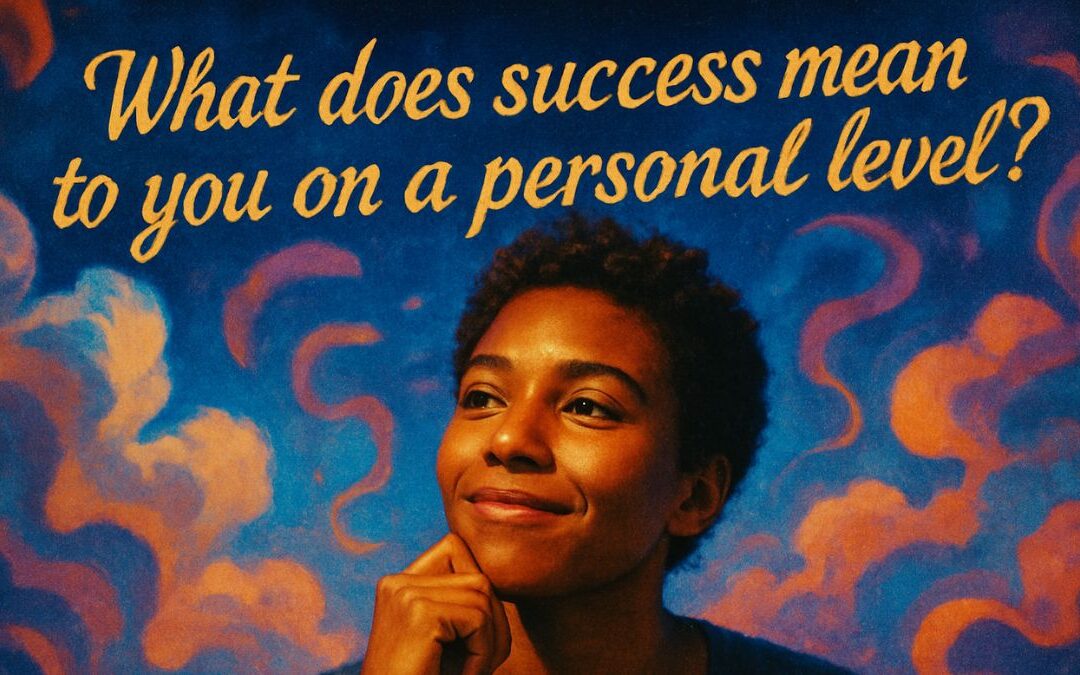
Beyond the Corner Office: What Does Success Mean to You?
If you won the “Life Lottery” tomorrow—not money, but the absolute guarantee that your basic needs would be met forever and you were physically incapable of failing—what would you spend your days doing? It’s a strange question, isn’t it? It strips away the usual drivers of ambition, like fear and money, and leaves you with the naked, honest core of what you truly value. We spend so much of our lives climbing a ladder without ever stopping to ask if it’s leaning against the right wall. We’re handed a checklist for a “good life” the day we’re born, and we just start ticking boxes. But what if the greatest adventure of our lives is tearing up that list and writing our own? It’s time we had a real, honest talk about the personal meaning of success.
Unpacking Your Default Settings
From the moment we’re old enough to understand stories, we’re absorbing a definition of success that isn’t our own. It’s in the movies where the hero gets the corner office and the flashy car. It’s in the well-meaning advice from relatives about getting a “safe” job. Today, it’s screaming at us from social media, where everyone’s life looks like a perfectly curated highlight reel of promotions, exotic vacations, and flawless home decor. It’s like we’re all handed a new computer with the factory default settings for “success” pre-installed. The settings work, sure. They’ll get you a life that looks good on paper. But they aren’t customized for your unique operating system. They don’t account for your weird passions, your quiet needs, or your specific brand of joy. And so many of us run this default program for years, feeling a low-grade sense of dissatisfaction and wondering why ticking all the “right” boxes doesn’t feel… right.
Is Success a Destination or a Vibe?
This leads to a huge question: what is the shape of success? For many, it’s a destination. It’s a summit. “I’ll feel successful when I get the promotion,” “when I buy the house,” “when I hit that number in my bank account.” The danger with this mindset is that it makes happiness a hostage to the future. You’re living your entire life in the waiting room, assuming the party is happening in some other, future room you haven’t unlocked yet. But then you get there, you reach the summit, and the view is… fine. The thrill lasts for a moment, and then your brain just generates a new, higher summit to climb. What if success isn’t a place you arrive at, but a feeling you inhabit? What if it’s a “vibe”? A way of being. Maybe success isn’t “making it” but the simple, resonant feeling of a day well-lived. Maybe success was the quiet focus you had this morning, the genuine laugh you shared with a friend, the kindness you showed a stranger. One is a frantic chase; the other is a gentle practice.
The Many Currencies of a Rich Life
Our default programming tells us that the primary, and maybe only, currency of success is money. But what if that’s like saying the only color is blue? A truly rich life is paid for in a multitude of currencies. Time is a currency. How much of it do you have to spend on things that aren’t work? Freedom is a currency. The freedom to be spontaneous, to say no, to change your mind. Deep, authentic relationships are a currency. So is peace of mind. Creative expression. Physical vitality. I think about a friend of mine who left a high-powered law career to teach woodworking at a local community center. He took a massive pay cut. The public leaderboard would say he took a step down. But in the currency of peace, of using his hands, of seeing the pride on a student’s face—he’s wealthier than he has ever been. It makes you wonder, what if being truly rich just meant having an abundance of whatever currency you value most?
The Silent Scorecard vs. The Public Leaderboard
This is the real heart of it all. We live our lives torn between two ways of keeping score. There’s the Public Leaderboard—that’s your job title, your salary, your follower count, the size of your house. It’s external, it’s comparable, and it’s what the world uses to measure you. Then there’s the Silent Scorecard. This one is internal. It’s written in invisible ink, and only you can read it. The categories on that scorecard are unique to every single one of us. On mine, the questions might be: Did I act with integrity today? Did I learn something fascinating? Was I present for the people I love? Did I push past a small, irrational fear? For someone else, it might be: Did I create something beautiful? Did I move my body in a way that felt good? Did I make someone’s day a little easier? Chasing the Public Leaderboard is a recipe for anxiety, because the game is rigged and it never ends. Cultivating your own Silent Scorecard is an act of radical self-ownership. It’s deciding that you are the only judge of your own worth.
What if Success Is Just… Showing Up?
In our culture of hyper-achievement, I want to propose a gentler, perhaps more revolutionary, idea. What if success isn’t always about winning, achieving, and conquering? What if, on some days, success is simply about resilience? What if success is getting out of bed when a wave of depression is pulling you under? What if it’s trying one more time after failing for the tenth time? What if it’s admitting you were wrong? Or forgiving someone who wasn’t sorry? What if success is just being kind when every fiber of your being wants to be cynical and sharp? This definition doesn’t make for a sexy Instagram post, but it’s real. It redefines success not as an elite status for the few, but as a daily act of courage available to us all. It’s the quiet, heroic success of the human spirit just trying to make it through.
Your Definition is Allowed to Evolve
The definition of success you wrote for yourself at 22, full of ambition and a desire for adventure, might feel like a scratchy, ill-fitting sweater by the time you’re 42. And that’s not a sign of failure. It’s a sign of growth. The things we value are supposed to change as we live and learn and love and lose. The quest for external validation might be replaced by a yearning for internal peace. The desire to see the world might be replaced by the desire to build a strong, rooted community. Giving yourself permission to let go of old dreams that no longer fit who you are is one of the most successful things you can do. Your personal definition of success isn’t a tattoo; it’s a living document you should be revising your whole life.
So, now I’m turning it over to you. I really want to know. Forget the noise, forget the pressure, forget what you’re “supposed” to want for just a minute.
What does a successful day feel like to you? What are the top three things on your silent, personal scorecard?
There’s no right or wrong answer here, only your answer. And I’d be honored if you’d share it in the comments below.
More Editorials
No Results Found
The page you requested could not be found. Try refining your search, or use the navigation above to locate the post.
Featured Articles

Understanding the Word Quandary: Meaning, Usage, and Examples
Explore the meaning of the word quandary, learn how to use it effectively in conversations, and discover real-life examples of this intriguing word in action.

Floods: The Rising Dangers and Their Impact on Our World
Explore the rising dangers of floods, their causes, impacts, and the steps we can take to mitigate future risks in a changing climate.

Do People Really Use Only Five Senses? Separating Fact from Fiction
Explore whether people only use five senses or if there’s more to human perception. Learn about lesser-known senses and what science says about our sensory experience.

The Power of Courage: How Dreams Become Reality Through Action
Explore Walt Disney’s famous quote, all our dreams can come true if we have the courage to pursue them, and discover how courage plays a vital role in turning dreams into reality.

Understanding the Meaning and Lessons Behind Pride Comes Before a Fall
Discover the meaning, origin, and relevance of the proverb pride comes before a fall, and explore its lessons and real-life applications in this engaging article.

The Mystery of Area 51: Secrets, Speculations, and Conspiracies
Explore the mystery of Area 51, a secretive military base shrouded in speculation about extraterrestrial encounters, UFOs, and government secrets.

Is There a Multiverse? Exploring the Possibility of Infinite Realities
Discover the concept of the multiverse—whether parallel universes exist beyond our reality and what modern science and theories suggest about infinite possibilities.

Strengthening Family Bonds: Navigating Relationships Across Generations
Explore the dynamics of sibling relationships, balancing parenting and friendship, evolving parent-child connections into adulthood, and bridging generational gaps within families.
Nelson Mandela: The Life and Legacy of a Global Icon for Justice and Peace
Explore the inspiring journey of Nelson Mandela—from a young activist to South Africa’s first Black president—and his lasting legacy of forgiveness, equality, and resilience that continues to shape the world.
More Articles
Revolutionizing Education: The Impact and Future of Educational Technology
Discover how educational technology is transforming the way we learn, from AI-driven personalized learning to immersive virtual classrooms. Explore key benefits, challenges, and future trends that are shaping the future of education in this comprehensive guide to EdTech.
Risk vs. Comfort: Exploring Jim Rohn’s Quote on Success and the Ordinary
Explore Jim Rohn’s quote, “If you are not willing to risk the usual you will have to settle for the ordinary,” with examples of when it’s appropriate to take risks and when it’s not. Learn how stepping out of your comfort zone can lead to extraordinary outcomes.
The Zone of Silence: Unraveling the Mystery of the Mexican Bermuda Triangle
Discover the enigmatic Zone of Silence in Mexico, where strange phenomena have baffled scientists for decades. Explore real-life theories and examples of this mysterious region and learn what makes it one of the world’s greatest mysteries.
Penny Wise, Pound Foolish: Understanding the Balance Between Saving and Long-Term Value
Discover the meaning of the proverb “Penny wise, pound foolish,” with examples of when it’s appropriate to use and when it’s not. Learn how small savings can lead to bigger losses if long-term value is ignored.
How Virtual Reality is Shaping Our Perception of Reality
Explore how virtual reality is changing our perception of reality, with real-life examples showing its impact on various fields. Learn how this technology influences how we see and interact with the world.
The Impact of War on Literature and Storytelling: How Conflict Shapes Our Narratives
Explore how war has influenced literature and storytelling, shaping narratives and characters in profound ways. Learn how conflict impacts creative expression and reflection.
Thailand’s Lantern Festival Yi Peng: A Glowing Celebration of Hope and Renewal
Discover the beauty and cultural significance of Thailand’s Yi Peng Lantern Festival. Learn how this magical event represents hope, renewal, and the power of community.
Freedom: What Does It Mean to Be Truly Free?
Explore the deeper meaning of freedom beyond its surface definition. Discover how to experience true freedom in your life by understanding its emotional and mental aspects.
What Does a Day in the Life of a Diplomat Look Like? Exploring the World of Diplomacy
Discover what a typical day looks like for a diplomat. Learn about the responsibilities, challenges, and rewards of a career in diplomacy with real-life insights.
What Would Society Look Like If We Didn’t Have to Work? Imagining a World Beyond Labor
Explore a thought-provoking look at how society would change if we didn’t have to work. Discover the potential social, economic, and cultural impacts of a world without traditional labor.
Learn English Magazine
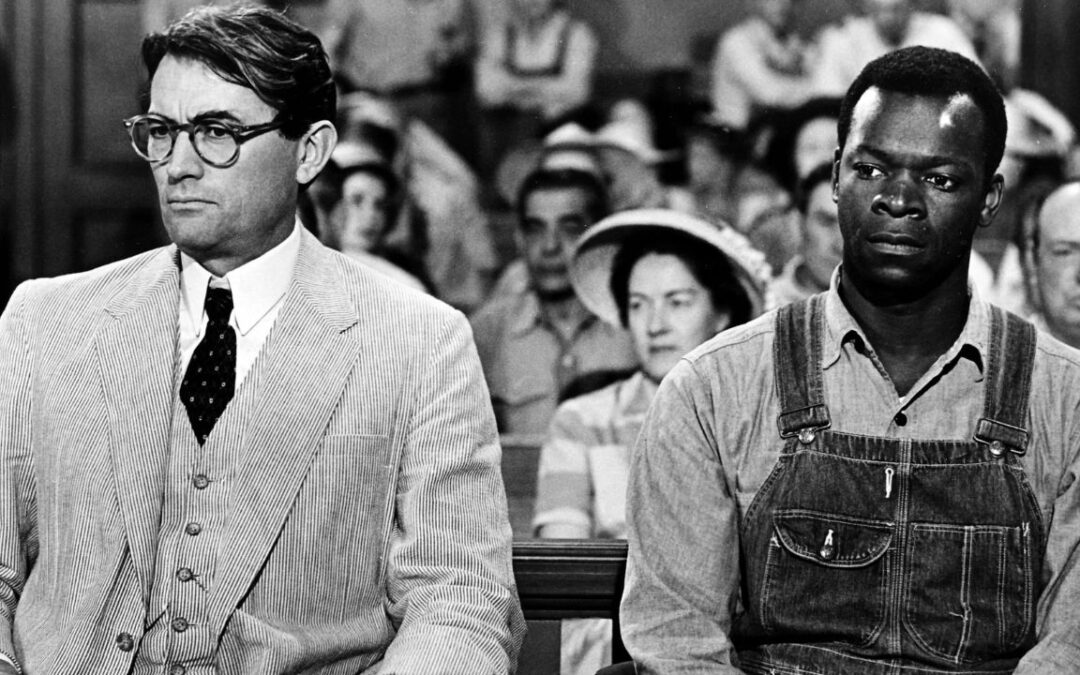
To Kill a Mockingbird”: Harper Lee’s Timeless Classic Examined
Delve into the plot, characters, themes, and narrative achievements of Harper Lee’s “To Kill a Mockingbird.” Explore the enduring relevance of this powerful novel’s messages about empathy, fairness, and the importance of standing up for what is right.

The Sole Track | A Short Story
Follow the story of Ramon, a veteran race car driver, as he faces the challenges of competing against the best in the world on the most prestigious race track. Learn about his drive to succeed, the importance of having a support system, and the qualities necessary for success in the world of motorsports.

The Life and Poetry of Emily Dickinson: Exploring the Themes and Techniques of a Literary Pioneer
Step into the world of Emily Dickinson, one of America’s greatest poets. Explore her unique style, her use of themes like mortality and spirituality, and the techniques that made her work so innovative. Discover how Dickinson’s life of solitude and seclusion influenced her writing, and find inspiration for your own creative journey. Join us as we dive into the life and poetry of a true literary pioneer.

The Legend of King Arthur and the Knights of the Round Table
Discover the legendary figures of King Arthur and the Knights of the Round Table, their stories of adventure and heroism, and their ultimate downfall.

Overcoming Writer’s Block: Understanding the Causes and Finding Solutions
Discover the underlying causes of writer’s block and find solutions to overcome this condition and unleash your creativity as a writer.

The Great Gatsby: A Masterpiece that Critiques the American Dream – An Interview with F. Scott Fitzgerald
Discover F. Scott Fitzgerald’s timeless masterpiece, “The Great Gatsby,” a critique of the American Dream that explores the complexities of human nature. Read the interview with the author to learn more.

Lessons from Chess: How to Apply Them to Your Personal and Professional Life
Learn how the lessons from chess can help you achieve success in your personal and professional life. Find out how to stay focused on the big picture, take calculated risks, persevere through challenges, adapt to change, stay humble, and respect opponents.
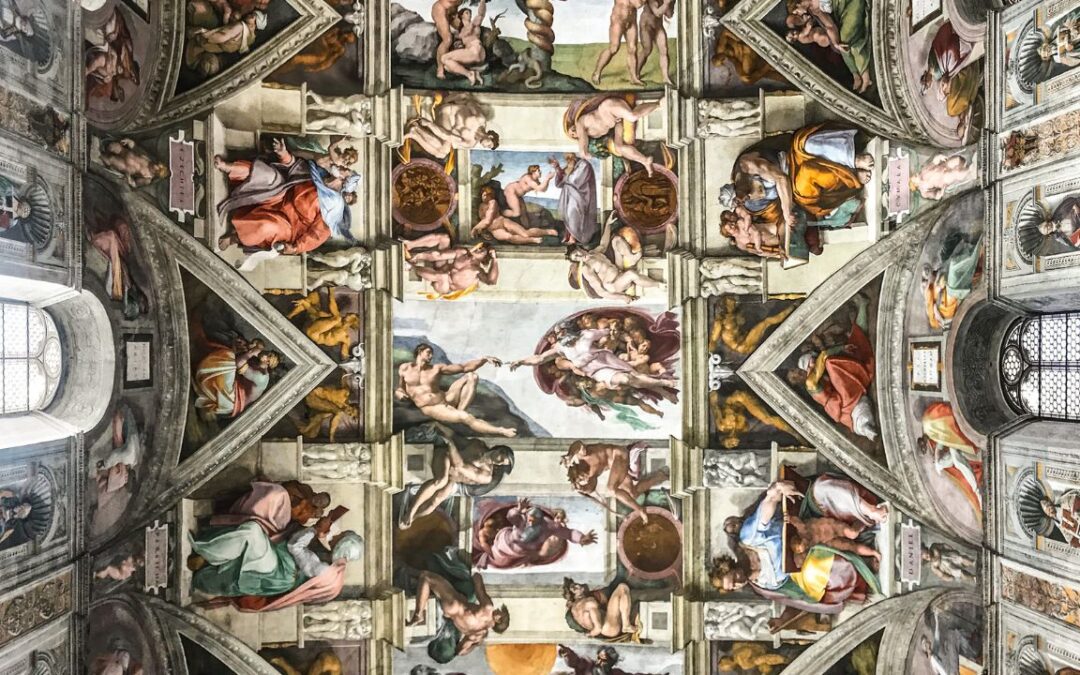
Michelangelo: A Master of the Renaissance | Life, Art, and Legacy
Explore the life and work of Michelangelo, one of the greatest artists of the Renaissance. Discover his masterpieces, including the Pieta, David, and Sistine Chapel ceiling, and learn about his artistic vision, techniques, and legacy.

The Future of Writing: Balancing Self-Doubt, Rejection, and the Need to Make a Living
Aspiring writers face many challenges in today’s world, from self-doubt and rejection to the need to make a living. In this blog post, we explore career paths for writers, the impact of social media and current events, and the role of storytelling in modern society. Discover how to balance the need to make a living with the desire to create meaningful, impactful work, and unlock your full potential as a writer.

William Tell, Man or Myth? Separating Fact from Fiction
Explore the origins of the William Tell legend and separate fact from fiction in Swiss folklore. Learn about the evidence for his existence, the embellishments to his story, and the enduring legacy of this legendary figure in Swiss culture.
Literary Magazine
No Results Found
The page you requested could not be found. Try refining your search, or use the navigation above to locate the post.