
English Plus Magazine
Dive into a world of ideas, stories, English and discovery.
Letter from the Editor
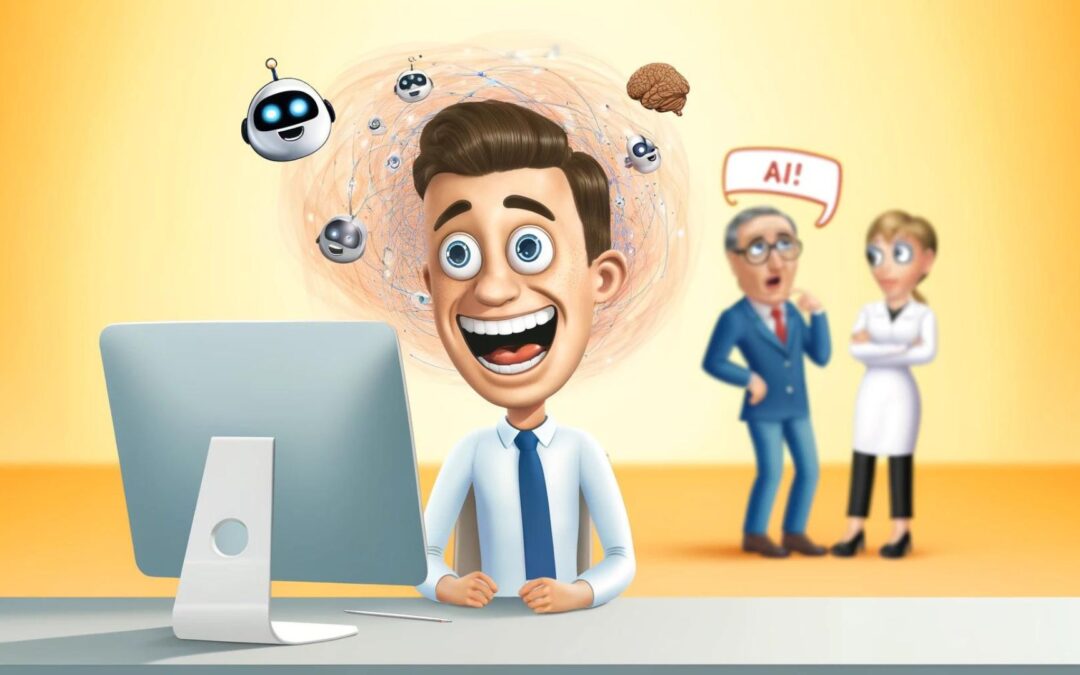
Is AI Putting the Dunning Kruger Effect on Steroids?
Welcome to the brave new world where artificial intelligence (AI) is not just a sci-fi concept but an integral part of our daily lives. From voice assistants that manage our schedules to recommendation algorithms that know our tastes better than our best friends, AI is everywhere. But as we bask in the glory of these technological marvels, there’s a sneaky little cognitive bias creeping up on us, making us believe we are experts in fields we’ve barely scratched the surface of. Yes, I’m talking about the infamous Dunning-Kruger effect, and AI seems to be putting this bias on steroids.
Understanding the Dunning-Kruger Effect
First, let’s break down the Dunning-Kruger effect for those who haven’t had the pleasure of encountering this delightful piece of psychological insight. Named after psychologists David Dunning and Justin Kruger, this cognitive bias describes how people with low ability at a task overestimate their ability. In other words, the less you know, the more you think you know. Conversely, experts often underestimate their knowledge, assuming that what is easy for them is easy for others.
Enter AI: The Enabler of Overconfidence
AI, with its promise of making complex tasks simple and accessible, can exacerbate the Dunning-Kruger effect. Let’s take a look at a few examples to see how this plays out in real life.
1. The Rise of the Armchair Expert
Remember the days when diagnosing a health issue required years of medical training? Now, thanks to AI-powered symptom checkers and health apps, anyone with a smartphone can play doctor. Feeling a bit under the weather? Just punch in your symptoms, and voilà, you have a diagnosis! The problem is, these tools often oversimplify complex medical conditions, leading users to believe they have a deeper understanding of medicine than they actually do. The result? A surge in self-proclaimed health experts who might be better off consulting a real doctor.
2. The Financial Wizardry Illusion
The world of finance is another domain where AI is supercharging our confidence. Investment apps with AI-driven advice promise to help us navigate the stock market like seasoned traders. These apps often present complex financial data in an easily digestible format, making it seem like investing is as simple as playing a game. However, the reality of market dynamics and financial risk is far more complicated. While these tools are undoubtedly helpful, they can also create a false sense of mastery, leading to risky financial decisions.
3. The Creative Conundrum
AI in the creative arts is perhaps the most fascinating and contentious area. Tools like AI-driven graphic design software, music composition apps, and even writing assistants (hello, ChatGPT!) empower everyone to create art, music, and literature. But here’s the catch: just because AI can help you produce something that looks or sounds good doesn’t mean you’re the next Picasso or Shakespeare. The nuances of creativity and artistic expression go far beyond what AI can offer, yet many users walk away with inflated confidence in their creative prowess.
The Double-Edged Sword of AI Accessibility
Now, don’t get me wrong. The democratization of knowledge and skills through AI is a wonderful thing. It’s empowering millions to explore new fields, learn new skills, and innovate in ways previously unimaginable. However, it’s crucial to recognize the double-edged sword here. With great power comes great responsibility—or in this case, with great AI tools comes the need for a healthy dose of humility.
Keeping Our Egos in Check
So, how do we enjoy the benefits of AI without falling into the Dunning-Kruger trap? Here are a few tips to keep our egos in check:
1. Acknowledge the Limits of AI
AI is a tool, not a substitute for deep expertise. Use it to augment your knowledge, not replace the need for learning and experience. Recognize that while AI can simplify tasks and provide insights, it doesn’t make you an expert overnight.
2. Embrace Lifelong Learning
Stay curious and committed to continuous learning. Use AI as a stepping stone to delve deeper into subjects that interest you. Take courses, read books, and seek mentorship from real experts. Remember, true mastery requires time and effort.
3. Be Skeptical of Easy Answers
AI can sometimes offer solutions that seem too good to be true. Approach these with a healthy dose of skepticism. Cross-check information, seek second opinions, and be wary of overconfidence. The internet is full of stories of people who got burned by trusting AI-driven advice too blindly.
4. Celebrate Expertise
Appreciate the value of true expertise. Whether it’s in medicine, finance, the arts, or any other field, respect the knowledge and experience of professionals. Their insights, honed over years of practice, are invaluable.
Finally, The Balance of AI and Human Wisdom
AI is an incredible tool that has the potential to transform our lives for the better. However, it’s essential to navigate this new landscape with a balanced perspective. By recognizing the limits of our knowledge and the true capabilities of AI, we can avoid falling prey to the Dunning-Kruger effect on steroids. So, let’s embrace AI, but let’s also stay humble, curious, and always willing to learn. After all, the real magic happens when human wisdom and artificial intelligence work together in harmony.
Feel free to share your thoughts and experiences on this topic. How has AI impacted your perception of expertise? Have you ever caught yourself falling into the Dunning-Kruger trap? Let’s keep the conversation going!
Stay smart, stay curious, and keep questioning!
P.S. If you are feeling adventurous, go check your knowledge of cognitive biased in this special quiz we created. And If you want to learn more about other cognitive biases, there’s a giant episode I created about cognitive biases that you might want to check out.
Have a great week, and never stop learning with English Plus Podcast.
Danny Ballan
Editor-in-chief
More Editorials
No Results Found
The page you requested could not be found. Try refining your search, or use the navigation above to locate the post.
Featured Articles

Empowering New Teachers: The Essential Role of Mentorship Programs
Explore the profound impact of mentorship programs on new teachers. Learn how they foster growth, confidence, and success in the classroom.

The Power of Gratitude: What Are You Most Grateful For?
Explore the benefits of gratitude and find inspiration in the things people treasure most. Discover how practicing thankfulness can change your outlook.

Frédéric Chopin: The Poet of the Piano
Explore the life and legacy of Frédéric Chopin, the Romantic composer who revolutionized piano music with his expressive melodies and technical brilliance.

The Great Pyramids of Giza: An Enduring Testament to Human Ingenuity
Journey back in time to witness the construction of the iconic Great Pyramids of Giza. Discover their secrets, symbolism, and lasting impact on human civilization.

Binaural Beats: Can They Really Change Your Mind?
Are you curious about binaural beats? Discover how these auditory illusions might influence your brainwaves and mental state with examples and insights.

Greek Mythology: Iris, the Goddess Behind the Rainbow
Explore Greek mythology and discover Iris, the goddess who painted the sky with rainbows as she traveled between heaven and earth.

The Numinous: Exploring a Word of Mystery and Awe
Discover the meaning of “numinous” – a word that evokes the sacred, the spiritual, and the profoundly moving. Learn when and how to use it effectively.

Don’t Count the Days, Make Them Count: Muhammad Ali’s Wisdom
Unpack the meaning behind Muhammad Ali’s quote “Don’t count the days, make the days count.” Discover when to apply this mindset for a more fulfilling life.

The Golden Rule: Understanding “Do Unto Others…”
Explore the power of the Golden Rule – “Do unto others…” – with examples of its wise application and potential limitations.
More Articles
Intersectionality: Why Everyone Needs This Tool for Social Justice
What is intersectionality, and why does it matter for building a fairer world? Learn how your unique experiences shape your view of social issues.
The Power and Limits of “Ask and You Shall Receive”
Explore the wisdom of “Ask and you shall receive.” Learn when to apply this proverb for success, and when a different approach might be better.
Conquer “Between” Confusion: Common English Mistakes and Fixes
Struggling with “between” in English? Learn the most frequent errors people make with “between”, why they’re wrong, and how to use it like a pro.
Indira Gandhi’s Wisdom: “You Cannot Shake Hands with a Clenched Fist”
Unpack the meaning behind Indira Gandhi’s famous quote about cooperation and openness. Learn when to use this powerful metaphor for better communication and conflict resolution.
Saffron: Why the World’s Most Expensive Spice Costs a Fortune
Did you know it takes 75,000 flowers to make just one pound of saffron? Discover the labor-intensive process behind this precious spice and why it’s so costly.
“I Hope So” and More: Unpacking the Many Uses of “Hope”
Explore the different ways we use the word “hope” in everyday English. From expressing desires to uncertain expectations, get examples and explanations!
A World Without Lies: Could a Society Function?
Is absolute honesty possible? Explore the complex question of whether a society could operate without any form of deception, and the potential consequences.
The Power of “Extol”: Meaning, Usage, and When to Choose a Different Word
Learn the meaning of the word “extol” and discover when to use it for powerful praise – and when it might be overkill. Get examples and alternatives!
The Anchoring Effect: How First Impressions Shape Your Decisions
Discover how the anchoring effect subtly influences your choices. Learn how this psychological bias works and ways to make more informed decisions.
Alexander the Great’s Victory at Gaugamela: Glory or Folly?
Explore the epic Battle of Gaugamela, where Alexander the Great crushed the Persian Empire. Was his victory a triumph or the start of a cycle of endless war?