
English Plus Magazine
Dive into a world of ideas, stories, English and discovery.
Letter from the Editor
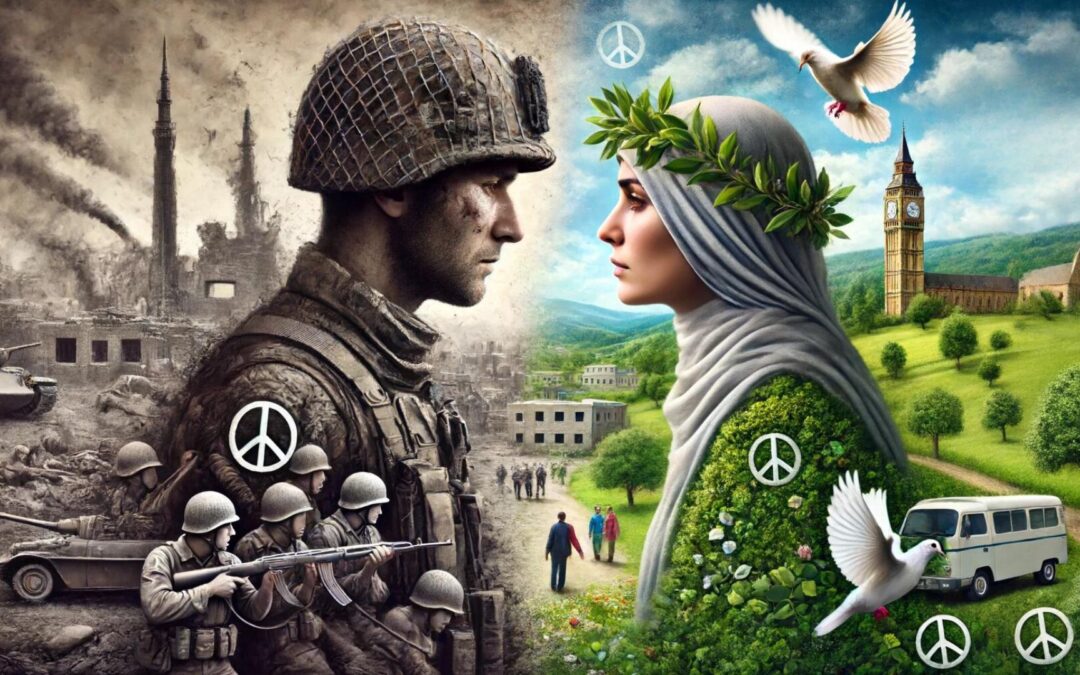
How Long Can We Continue Fighting Each Other?
Have you ever stopped to wonder why we keep fighting? I mean, really stopped to think about it. War, conflict, hostility—they’ve become so ingrained in our global culture that we often accept them as inevitable. But are they? How long can we continue down this path before nature tells us enough is enough or some happy trigger moron end life as we know it with the press of one button, or not to sound like those Hollywood movies, one foolish decision? What if the solution has been right in front of us all along?
Let’s face it: war is futile. The history books are filled with tales of battles won and lost, lands conquered, and lives destroyed. We have achieved great victories; we have won great battles — absolutely. Yet, here we are, still fighting, still spilling blood over borders, ideologies, and resources. The question we should be asking isn’t “who will win the next war?” but rather, “why are we still fighting at all?”
Picture this and I bet you can: a world where resources are shared, where borders are merely lines on a map, and where our differences are celebrated rather than fought over. It sounds idyllic, almost naïve, right? That’s exactly what some people want you to think. They dismiss peace advocates as dreamers, out of touch with reality. But let’s turn that notion on its head for a moment. Who’s really seeing the big picture?
Consider the immense resources poured into military budgets worldwide. Trillions of dollars that could be spent on education, healthcare, and combating climate change are instead funneled into weapons of war. Imagine if that money was redirected towards building a better future rather than tearing each other apart. It’s not just a pipe dream; it’s a viable solution that we’re too busy fighting to see.
People who talk about peace are often labeled as idealistic, but isn’t it more idealistic to believe that perpetual conflict is sustainable? The truth is, those who push for peace are not blind to the world’s harsh realities; they’re painfully aware of them. They understand that the endless cycle of violence only leads to more suffering, not solutions.
We must ask ourselves: who benefits from continued conflict? It’s certainly not the common people, who bear the brunt of war’s devastating effects. It’s those who profit from the war machine, those who have a vested interest in keeping the fires of conflict burning. By dismissing peace advocates as naïve, they divert attention from their own motives.
So, who’s really being naive here? The ones who believe in the power of peace or the ones who think we can fight our way to a better world?
The path to peace isn’t easy, and it’s fraught with challenges. It requires diplomacy, empathy, and a willingness to see the humanity in our so-called enemies. But the rewards far outweigh the effort. A peaceful world is a prosperous world, one where creativity, innovation, and collaboration can flourish.
Think about the potential for global cooperation. With peace, we can tackle the biggest issues facing our planet—climate change, poverty, disease. Instead of pouring resources into destruction, we could invest in our shared future. It’s a vision that requires courage and a shift in perspective, but it’s not impossible.
We have the chance to be the generation that chooses peace over war, unity over division. It starts with each of us recognizing that the true strength lies not in our ability to fight, but in our capacity to come together. We must reject the narrative that peace is naive and embrace it as the only sensible path forward.
So, how long can we continue fighting each other? The answer is clear: not much longer if we want a future worth living in. It’s time to stop seeing peace as an elusive dream and start making it our reality. The big picture isn’t about winning wars; it’s about winning peace. And that’s a battle worth fighting for.
Danny Ballan
Editor-in-chief
English Plus Magazine
More Editorials
No Results Found
The page you requested could not be found. Try refining your search, or use the navigation above to locate the post.
Featured Articles

Brer Rabbit: Trickster Tales and Their Enduring Legacy
Meet Brer Rabbit, the clever trickster of African American folklore. Read a classic tale, and learn why these stories of wit and resilience remain beloved.

Childhood Amnesia: Why Your Earliest Memories Are Missing
Ever wondered why you can’t remember your first birthday? Explore the science of childhood amnesia and why most early memories fade away.

Dolphins Have Names? Unraveling Their Signature Whistles
Did you know dolphins use unique whistles to identify themselves? Dive into the fascinating world of dolphin communication and their “name-like” sounds.

Anathema: A Word of Intense Dislike
Discover the meaning of “anathema,” its origins, and when (and when not) to use this powerful word expressing extreme aversion.

Helen Keller on Blindness and Vision: A Deeper Look
Explore Helen Keller’s quote, “The only thing worse than being blind is having sight but no vision.” Learn its meaning, applications, and limitations.

Don’t Throw the Baby Out with the Bathwater: Meaning & Wise Applications
Understand the proverb “Don’t throw the baby out with the bathwater” – explore its meaning, when to use it wisely, and when it might mislead.

Fostering Inclusive Classrooms: Why Diversity in Education Matters
Learn why promoting diversity and inclusion in schools is crucial for creating equitable learning environments and a better future for all.

Build Fantastic Worlds: A Guide to Believable World-Building
Ready to write amazing stories? Learn how to craft believable worlds that draw readers in. Tips and techniques for even beginner writers!

What Makes a Good Life? Unpacking a Timeless Question
What does it mean to live a good life? Explore different perspectives on happiness, purpose, and the ingredients of a life well-lived.
More Articles
Beauty is Only Skin Deep: Meaning and When to Use It
Is beauty only a surface-level thing? Explore the proverb “beauty is only skin deep” with examples of when to use it (and when not to).
Present Continuous Mistakes: How to Avoid Common Pitfalls
Struggling with the present continuous tense? Learn the typical errors, why they happen, and how to fix them for clear and accurate English.
“Everything Has Beauty”: Exploring Confucius’ Insight on Perception
Discover the meaning behind Confucius’ quote, “Everything has beauty, but not everyone sees it.” Learn when to use this wisdom and when it might miss the mark.
Did Shakespeare Invent 1,700 Words? Exploring His Linguistic Legacy
Did you know Shakespeare added over 1,700 words to English? Discover how the Bard of Avon shaped the language we speak today, with examples.
Especially vs. Specially: A Quick Guide to Confusing Words
Get the lowdown on “especially” vs. “specially.” Clear explanations and real-world examples will ensure you’ll never mix these words up again!
“What Are Your Biggest Weaknesses?” – Turning the Dreaded Question into an Opportunity
Ace the “biggest weakness” interview question. Learn how to frame your answer honestly, strategically, and in a way that highlights your growth.
The Marketer’s Playbook: What It Takes to Win as a Marketing Manager
Think you’ve got what it takes to be a marketing manager? Uncover the skills, strategies, and mindset that lead to success in this dynamic field.
Bullying in Schools: The Hidden Scars That Last a Lifetime
Bullying isn’t just a rite of passage – it leaves deep wounds. Understand the impact of bullying on students and how to break the cycle.
Impervious: Meaning, Uses, and When It Doesn’t Fit
Is something impervious to water, criticism, or change? Explore the meaning of “impervious,” how to use it correctly, and when to choose a different word.
Boost Happiness with Gratitude: The Science Behind It
Can a simple practice like gratitude really make you happier? Discover the research-backed benefits of gratitude and how to incorporate it into your life.