
English Plus Magazine
Dive into a world of ideas, stories, English and discovery.
Letter from the Editor

Do You Really Know As Much As You Believe You Do?
Have you ever come across a video titled “Learn Quantum Physics in 60 Seconds!” or perhaps stumbled upon a ten-second clip promising to teach you how to “Master Italian Today!”? And there you are, after a scroll or two, feeling like you’ve grasped something profound, maybe even enough to impress people at dinner parties. But here’s the thing—are you really learning? Or are you just accumulating scraps of information that feel substantial in the moment but fade away by the time dessert is served?
This isn’t to say that these short formats are bad—on the contrary, they can be great! They give us quick access to bite-sized pieces of knowledge and are excellent for sparking curiosity. It’s a little like getting an appetizer before a meal. But imagine if appetizers were all you ever ate. You’d be missing out on the full course, and sooner or later, your hunger for understanding would come creeping back.
The real challenge lies in recognizing the limits of what we absorb through these snippets. Social media makes it even trickier, thanks to algorithms that love to show us more of what we already agree with. This creates something known as confirmation bias, where we start believing that the world operates exactly the way we think it does—because, hey, all the content we see confirms it! The tricky thing? The more convinced we are that we know something, the less likely we are to seek further understanding. That’s where The Dunning-Kruger Effect kicks in—when a little knowledge makes us think we’re experts. You’ve seen it before. It’s when someone watches a few videos on investing and suddenly feels ready to give Warren Buffett advice.
But here’s the truth: Real knowledge is humbling. The deeper you go into any field—whether it’s philosophy, science, history, or gardening—the more you realize how much you don’t know. Mastery takes time. It takes effort. And most importantly, it takes an open mind that says, “I’ve learned something today, but I bet there’s still so much more to discover.” Lifelong learning isn’t just a fancy phrase. It’s a mindset, a way of life where you never stop digging, questioning, and improving. It’s not about knowing everything but rather staying curious about the things that matter to you.
So, what do we do with all the short-form content we encounter every day? We enjoy it, use it as a starting point, and let it nudge us in new directions. But we also need to remember that knowledge isn’t a sprint—it’s a marathon. If something catches your interest, dive deeper. Read a book. Take a course. Have real conversations about it. Don’t settle for a surface-level understanding when you have the opportunity to go deeper and truly master something.
After all, the world isn’t going to slow down, and knowledge will only keep evolving. The trick is not to get trapped in the illusion that we’ve arrived at a final destination in our learning journey. There is no finish line.
So here’s a little nudge: Whatever it is you care about, take one more step today. Read that extra article. Watch that documentary. Ask questions. Keep going. You’ll never regret knowing more—but you might regret believing you already know enough.
Danny Ballan
Editor-in-Chief
English Plus Magazine
More Editorials
No Results Found
The page you requested could not be found. Try refining your search, or use the navigation above to locate the post.
Featured Articles

Finding Happiness in Dark Times: Exploring Albus Dumbledore’s Wisdom
Discover the deeper meaning of Albus Dumbledore’s quote, ‘Happiness can be found, even in the darkest of times, if one only remembers to turn on the light.’ Learn when to apply this wisdom and when it’s less appropriate, with practical examples.

Understanding the Proverb: ‘Keep Your Friends Close and Your Enemies Closer’
Explore the meaning and implications of the proverb ‘Keep your friends close and your enemies closer.’ Learn when it’s appropriate to use this advice and when it’s best to avoid it, with practical examples.

Exploring the Age-Old Question: What Is the Meaning of Life?
Delve into the age-old question: What is the meaning of life? Explore philosophical, religious, and personal perspectives to gain a deeper understanding of this profound and thought-provoking topic.

Peter the Great: The Visionary Tsar Who Modernized Russia
Explore the life and legacy of Peter the Great, the visionary Tsar who modernized Russia. Learn about his greatest achievements and lasting influence on Russian history and the world.
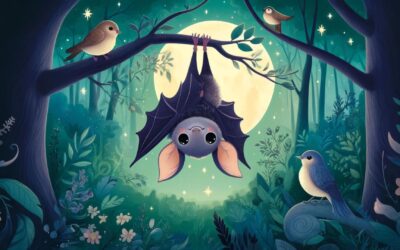
The Enduring Charm of ‘Stellaluna’ by Janell Cannon: A Tale of Belonging and Friendship
Discover the enchanting story of ‘Stellaluna’ by Janell Cannon. Learn about the book’s themes of belonging and friendship and its lasting impact on readers of all ages.

Mythical Beasts: Exploring the Legends and Symbolism of Ancient and Modern Creatures
Embark on a captivating journey into the world of mythical beasts in our audio mini-series, “Mythical Beasts.” Explore the legends, symbolism, and cultural significance of these creatures from ancient civilizations to contemporary lore. Delve into the rich tapestry of folklore, discover the origins of dragons, griffins, sea monsters, and more, and uncover how these creatures continue to capture our imagination in modern times. Join us as we unravel the mysteries and delve into the captivating realm of mythical beasts.

How Simple Rituals Can Bring Control and Order to Chaotic Situations
Discover how simple rituals can provide a sense of control and order in chaotic situations. Learn about the psychological benefits and practical applications of rituals in daily life.
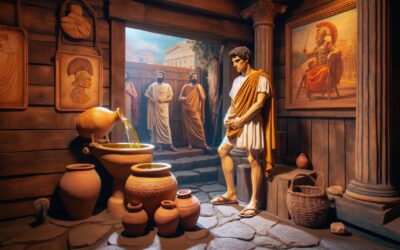
Ancient Romans and Their Unique Hygiene Practices: Using Urine as Mouthwash
Discover the fascinating history of ancient Roman hygiene practices, including the surprising use of urine as mouthwash. Learn about the methods, reasons, and cultural context behind this unusual practice.

Peace by Peace: 20 Steps to Global Harmony – A Comprehensive Guide to Building a Better World
Discover the path to a peaceful world with ‘Peace by Peace: 20 Steps to Global Harmony.’ This comprehensive guide explores actionable steps to promote global education, human rights, environmental sustainability, and more. Join us in building a better future for all.
More Articles
Mordant: Beyond the Bite – Meaning and Uses
Discover the multiple meanings of “mordant.” Learn when to use this word for its biting wit, chemical properties, or other surprising applications.
Mind-Blowing History: Cleopatra, Pyramids, and the iPhone
Did Cleopatra live closer to the iPhone than the pyramids? Uncover the surprising truth about this timeline twist and explore ancient Egypt’s enduring legacy.
The Zeigarnik Effect: Why Unfinished Tasks Haunt Your Mind
Ever feel stressed by incomplete tasks? Learn about the Zeigarnik Effect – the psychological reason unfinished business lingers in your thoughts and how to use it to your advantage.
Little Red Riding Hood: A Timeless Tale of Danger and Deception
Journey into the woods with Little Red Riding Hood! Rediscover this classic fairy tale, its enduring message, and the impact it has had on storytelling throughout history.
Harriet Tubman: Icon of Freedom and Courage
Discover the extraordinary life of Harriet Tubman, from escaped slave to legendary conductor on the Underground Railroad. Explore her achievements, bravery, and enduring impact.
Work: Mere Means or Path to Fulfillment?
Is your job just a paycheck or can it bring deep satisfaction? Explore the debate on work as a means to an end versus a potential source of personal fulfillment.
Happiness Is a Choice: Understanding Jim Rohn’s Philosophy
Is happiness a choice, as Jim Rohn suggests? Explore his quote, discover when it applies (and when it doesn’t), and learn how to cultivate your own happiness mindset.
He Who Hesitates is Lost: When to Act and When to Pause
Explore the proverb “He who hesitates is lost.” Discover when decisive action is crucial and when careful consideration is wiser. Get real-world examples to guide your choices.
The Tunguska Event: Siberia’s Enduring Cosmic Mystery
In 1908, a massive explosion devastated Siberia. Was it a meteorite, comet, or something more? Explore the enduring mystery of the Tunguska Event.
Great Minds Think Alike: Meaning, Use, and Misuse
Explore the meaning of “Great Minds Think Alike.” Discover when this proverb fits, when it doesn’t, and how it reflects on our thinking patterns.