
English Plus Magazine
Dive into a world of ideas, stories, English and discovery.
Letter from the Editor
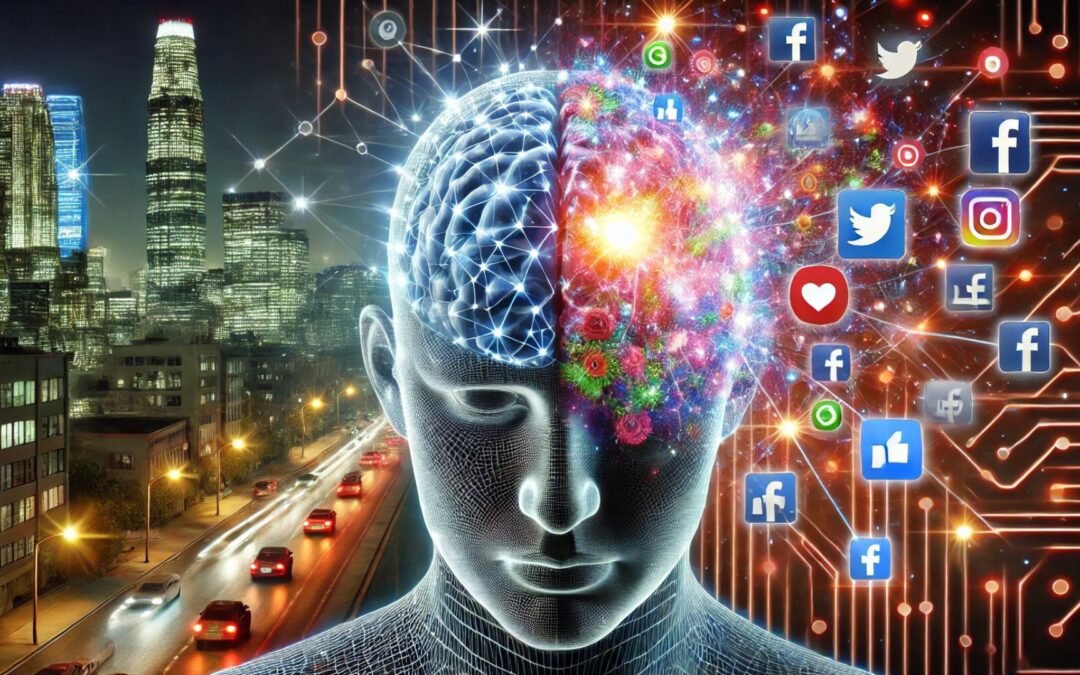
Brain Rot: Is Your Mind Melting or Just Marinating in Mediocrity?
There’s something unsettling about catching yourself staring blankly at a screen, having consumed hours of content only to realize… nothing stuck. Your brain feels like a foggy mess, thoughts slipping through your fingers like water. And yet, the doomscrolling continues. Welcome to the modern phenomenon affectionately (or terrifyingly) called brain rot—a term that might sound like the title of a bad horror movie but is very much a real concern.
Now, to be clear, your brain isn’t literally rotting. This isn’t some sci-fi nightmare where our minds dissolve into mush because we spent too much time watching TikTok dance trends. Brain rot is more of a feeling—a state of mental exhaustion, reduced attention span, and an overwhelming sense that deep thinking has been replaced by passive consumption. And if that sounds familiar, you’re not alone.
We live in an era where information is everywhere, yet true engagement with that information is fading. It’s never been easier to access content, and paradoxically, it’s never been harder to retain or process it meaningfully. We’re bombarded with short-form videos, endless streams of tweets, algorithmically curated news, and a constant pressure to stay updated. Our minds are overstimulated but undernourished, leaving us in a strange limbo where we know of many things but understand very little.
At some point, we stopped learning for depth and started consuming for speed. We skim. We scan. We absorb headlines, not articles. We take in clips, not full discussions. We watch breakdowns of books instead of reading them. It’s the equivalent of snacking all day but never sitting down for a real meal. And just like with junk food, the results are predictable: low energy, irritability, and the nagging suspicion that our brains might actually be turning into slush.
But let’s not panic just yet. Brain rot isn’t permanent. It’s reversible. And the first step to curing it is recognizing it for what it is.
Have you ever felt like your ability to focus has dramatically declined? That reading even a few pages of a book feels like a Herculean task? That finishing a single episode of a show without grabbing your phone is next to impossible? These aren’t random quirks; they’re symptoms of how our digital habits have rewired our attention spans. The more we expose ourselves to rapid-fire content, the more our brains adapt to that pace. Long-form content—whether it’s books, deep conversations, or even just sitting with our thoughts—starts to feel unnatural.
The irony, of course, is that we convince ourselves we’re staying informed. We tell ourselves that watching a hundred one-minute videos on politics or history means we’re engaged with the world. But the reality? We’re drowning in fragmented knowledge, convinced we’re swimming.
So, what’s the solution? Well, it’s not about abandoning technology or swearing off social media (let’s be real, that’s not happening). It’s about being more intentional with our consumption. Give your brain space to breathe. Read something substantial, even if it’s just a few pages a day. Watch something without the urge to check your phone. Engage in discussions that require more than just a reactionary take. The goal isn’t to reject modern content but to balance it with depth and critical thinking.
Brain rot thrives on passive consumption. The cure? Active engagement. And that starts with making small, deliberate changes in how we interact with information.
Now, if this whole topic has struck a nerve (or made you stare at your screen questioning all your life choices), you’re in luck. I’ve done a deep dive into this very subject in a full podcast episode, exploring the science, the causes, and the ways to fight back. So, if you want to go beyond this quick read and really sink your teeth into it, go check out the episode. Your brain will thank you.
More Editorials
No Results Found
The page you requested could not be found. Try refining your search, or use the navigation above to locate the post.
Featured Articles

Writing Effective Prologues and Epilogues: Crafting the Perfect Bookends for Your Story
Learn how to write effective prologues and epilogues that enhance your story. Discover tips and techniques to make these bookends impactful and meaningful for your readers.
Exploring ‘The Remains of the Day’: A Poetic Reflection on Memory and Regret
Dive into Kazuo Ishiguro’s “The Remains of the Day” poem, a profound exploration of memory, regret, and the passage of time. Discover its thought-provoking themes and lasting impact.

Top Foods to Boost Your Immune System: Nourishing Your Body for Health and Vitality
Discover the top foods to boost your immune system and keep you healthy. Learn how these nutrient-rich foods can help protect your body from illness and improve overall wellness.

Khalid ibn al-Walid: The Sword of Allah and His Unbeatable Legacy
Discover the life and legacy of Khalid ibn al-Walid, a legendary military commander known as the Sword of Allah. Explore his greatest achievements and lasting influence on the world.

Addressing Access to Healthcare and Healthcare Disparities: A Path Toward Equity
Explore the critical issue of healthcare access and disparities. Learn why these gaps exist and how we can work together to create a more equitable healthcare system for all.

The Story of Ferdinand: A Timeless Tale of Peace and Individuality
Discover the heartwarming tale of Ferdinand the bull, a peaceful character who defies expectations. Explore the significance and lasting influence of Munro Leaf’s “The Story of Ferdinand” over the years.

The Legend of Sleepy Hollow: Unraveling the American Myth
Explore the chilling tale of The Legend of Sleepy Hollow, a classic American myth. Discover its origins, themes, and why this story continues to captivate audiences today.
Unlocking Potential: How the Pygmalion Effect Shows That Belief in Others Boosts Performance
Discover the power of the Pygmalion Effect—how believing in someone can enhance their performance. Learn how this psychological phenomenon impacts everyday life and relationships.

Schrödinger’s Cat: The Thought Experiment that Shook Physics
Explore Schrödinger’s Cat, the famous thought experiment that challenged classical physics and reshaped our understanding of quantum mechanics. Learn what it means and why it matters.
More Articles
Hannibal Barca: The Legendary Carthaginian General and His Lasting Legacy
Explore the life and legacy of Hannibal Barca, the renowned Carthaginian general. Learn about his greatest achievements and his enduring influence on military strategy and world history.
The Timeless Tale of ‘Coyote and the Buffalo’: A Native American Fable
Explore the captivating Native American fable ‘Coyote and the Buffalo,’ its moral lessons, and its enduring cultural significance. Discover why this story continues to influence and inspire generations.
Why Humans Prefer Stories Over Data: The Power of Narrative Bias
Discover why humans are inherently biased towards stories and narratives over raw data. Learn about the psychological reasons behind this preference and its impact on communication and decision-making.
Understanding Absolute Zero: The Coldest Possible Temperature at -273.15°C
Discover the fascinating concept of absolute zero, the coldest possible temperature at -273.15°C. Learn about its significance in physics and the intriguing phenomena that occur at this extreme temperature.
Unlocking the Power of ‘Perspicacious’: A Guide to its Meaning and Usage
Discover the meaning and proper usage of the word ‘perspicacious’ in our comprehensive guide. Learn when and how to use this insightful term in your vocabulary.
Transformative Thinking: Understanding Einstein’s Quote on Problem-Solving
Explore Albert Einstein’s insightful quote on problem-solving and discover when it’s appropriate to use with real-life examples. Learn the importance of evolving our thinking to overcome challenges.
Unlocking Potential: Understanding the Proverb ‘Life is What You Make It’
Discover the meaning behind the proverb ‘Life is what you make it’ and learn when it’s appropriate to use with real-life examples. Embrace the power of positivity and personal responsibility.
Frequently Asked Questions About Postcolonial Literature
Discover the answers to frequently asked questions about postcolonial literature. Learn its significance, themes, and real-life connections to better understand this important literary field.
The Future of Textbooks in a Digital Age: Embracing Change in Education
Explore the future of textbooks in a digital age and understand the impact of technology on education. Learn about the challenges and opportunities of digital learning and how it can shape the future of education.
The Sahara Desert: An Ocean of Sand and Its Role in Earth’s Majesty
Explore the majesty of the Sahara Desert, an ocean of sand that showcases Earth’s beauty and diversity. Learn why preserving our planet is crucial and how you can take action to protect it.
Learn English Magazine
No Results Found
The page you requested could not be found. Try refining your search, or use the navigation above to locate the post.
Literary Magazine
No Results Found
The page you requested could not be found. Try refining your search, or use the navigation above to locate the post.