
English Plus Magazine
Dive into a world of ideas, stories, English and discovery.
Letter from the Editor

The Person You Used to Be: What Great Event Reshaped Your Core Values?
Who is the person you thought you would be by now? And how does that person compare to the one who is actually here, reading these words? We often think of our principles as a kind of permanent, internal constitution. But the truth is, the story of a life lived is also the story of a shifting identity, a slow or sudden evolution of our core values. So, let’s sit with a big one: How have your most fundamental beliefs changed over time, and can you pinpoint the one event, the one moment, that acted as the catalyst for that shift?
The Bedrock and the River
When we think of our core values, we often imagine them as a solid bedrock foundation upon which we build our entire life. Honesty. Loyalty. Ambition. Kindness. They are the things that are supposed to be immovable, our north star in a confusing world. And for some, maybe they are. But for many of us, it’s not that simple.
Is it possible our values are less like bedrock and more like a powerful river? The river has a definite direction, a powerful current. But over time, that current can carve new canyons, smooth out rough stones, and change its own course in response to the landscape. It’s still the same river, but its path has been altered by experience.
Does changing a core value mean you were wrong before? Or does it simply mean you’ve grown? There’s a certain romanticism to having unwavering principles, but there’s also a profound beauty in having the wisdom to let a value evolve when life presents you with new, undeniable evidence. Is it a betrayal of your younger self to change your mind, or is it the ultimate tribute to the life they lived and the lessons they learned for you?
The Architect of You: Inherited vs. Chosen Values
Many of our earliest values aren’t really ours at all. They’re on loan. We inherit them from our families, our communities, our culture. They are the default settings of our childhood, the “because I said so” of our moral universe. We value hard work because our parents did. We value a certain kind of success because it’s what everyone around us celebrated. There’s no shame in this; it’s how we learn to be human.
But then, a moment often arrives. It can be a quiet question that pops into your head in the middle of the night, or a slow-dawning realization over months. You start to inspect these inherited beliefs. You hold them up to the light. And you ask, “Is this truly mine? Or am I just carrying it for someone else?”
This is the moment you transition from being just an inhabitant of your life to being its architect. You begin the painstaking, sometimes scary, work of deciding which foundational stones to keep, which to discard, and which new ones to lay down in their place. It’s the shift from a life lived by assumption to a life lived with intention. What inherited value have you consciously chosen to question or let go of?
The Earthquakes of the Soul
While some values shift slowly, others are redefined in an instant by a single, seismic event. These are the earthquakes of the soul, the moments that shake our bedrock so profoundly that the entire landscape of our inner world is permanently altered.
Maybe it was a moment of profound loss. When you lose someone you love, the abstract value of “ambition” or “wealth” can suddenly seem hollow, replaced by the visceral, desperate value of “presence,” “connection,” and “time.” The world’s priorities fade to black and white, and what truly matters comes into sharp, painful focus.
Or perhaps it was the opposite—a moment of immense joy. Falling deeply in love, the birth of a child, finding a friendship that feels like coming home. Suddenly, a value like “independence” might find itself making room for “interdependence” or “selflessness.” Your world, once centered on the ‘I’, expands to encompass a ‘we’, and your entire moral compass recalibrates to this new, larger world.
Sometimes the earthquake is failure. Hitting rock bottom, losing the job, ending the relationship, watching a dream crumble to dust. In the wreckage, the value of “perfection” or “control” shatters. And what grows in its place can be something far more durable: “resilience,” “self-compassion,” “humility.” In our lowest moments, we often find our most profound and lasting truths. What was the earthquake that remade you?
The Quiet Erosion of Change
But not all change is a violent tremor. Some values evolve not with a bang, but with a whisper. They are shaped by the quiet, steady erosion of daily life.
Think about the value shift that comes from traveling. It’s not one single moment, but the cumulative effect of a thousand small encounters—a conversation with a stranger, the taste of a new food, the sight of a different way of life. The rigid value of “certainty” can slowly soften into the more flexible, more curious value of “openness.”
Or think of the slow transformation that comes from a long-term project or mastering a craft. The initial value might be “achievement,” but over years of patient work, it can morph into a deep appreciation for “process,” “patience,” and “mastery for its own sake.” This is the kind of change you might not even notice until you look back five or ten years and realize you are navigating the world with an entirely different map. It’s a testament to the power of small, consistent pressures to reshape even the hardest stones.
Living in the Beautiful Contradiction
Here’s where it gets beautifully messy. What happens when your values conflict? When your newfound value of “speaking your truth” crashes directly into your lifelong value of “keeping the peace”? When your desire for “adventure” is at war with your need for “stability”?
This internal conflict isn’t a sign that you’re confused or flawed. It’s a sign that you are a thinking, feeling, complex human being living in a world that is not black and white. It’s in the wrestling with these contradictions that we find our deepest character. It proves you are paying attention. The easy path is to pick one and ignore the other, but the path of growth is to stand in that uncomfortable space between them and try to honor the truth in both. It’s in that tension that true wisdom is forged.
What’s Your Story of Change?
The person you are today is a living museum of all the people you have been. Each room holds a different exhibition, a different set of values, a different way of seeing the world. And all of it is part of the beautiful, sprawling story of you.
So, I invite you to reflect on this. Look back at the ghost of your younger self. What did they hold dear that you have since let go of? And what do you hold dear now that would have surprised them? What was the moment—the earthquake or the quiet dawn—that changed the architecture of your soul?
Share your story, your moment, your shift in the comments below. There is no right answer, only your truth. And in sharing these stories, we might just help each other see the beauty in our own evolution.
More Editorials
No Results Found
The page you requested could not be found. Try refining your search, or use the navigation above to locate the post.
Featured Articles

Are All Deserts Hot? Debunking a Common Myth About Deserts
Discover the truth behind the myth that all deserts are hot. Learn about cold deserts like Antarctica and explore how deserts are defined by more than just temperature.
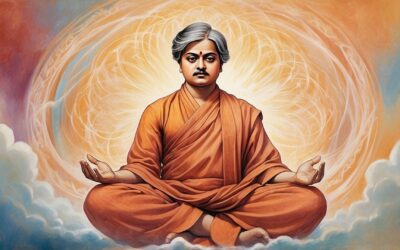
The Power of Focus: Swami Vivekananda’s Key to Success
Explore the wisdom behind Swami Vivekananda’s advice to focus on one idea fully for success. Learn how single-minded dedication can transform your life and bring success.
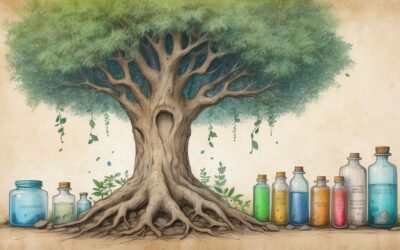
Prevention is Better Than Cure: Why Proactive Measures Matter
Discover the timeless wisdom behind the proverb ‘Prevention is better than cure,’ exploring how proactive measures can save time, health, and effort in the long run.
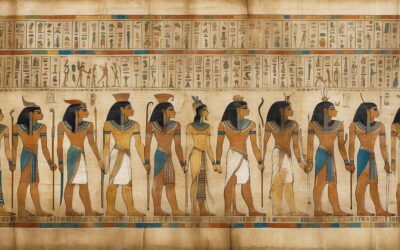
The Turin King List: Unraveling Ancient Egypt’s Royal Mystery
Discover the mysteries behind the Turin King List, an ancient Egyptian document that sheds light on Egypt’s dynasties and the unknown rulers of the past.
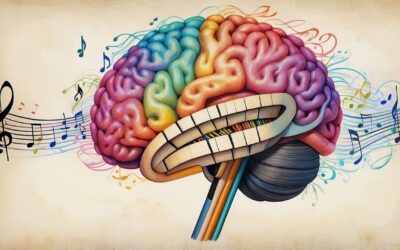
How Music Affects the Brain: Unlocking the Power of Sound
Discover how music influences your brain, from boosting memory to improving emotional well-being. Learn about the science behind music’s power on the mind.
Psychology in Education: Unlocking Student Success Through Learning, Emotional Intelligence, and Inclusion
Discover how the psychology of learning, emotional intelligence, cognitive biases, positive psychology, and inclusive practices can transform modern teaching methods, helping students thrive academically and emotionally in today’s classrooms.

Napoleon Bonaparte: The Rise, Reign, and Legacy of a Revolutionary Emperor
Discover the life, legacy, and complex influence of Napoleon Bonaparte—from his rise to power and military genius to his sweeping reforms and ultimate downfall. Explore how he reshaped Europe and left a lasting mark on modern history.
Exploring Gender Representation in Literature: How Stories Shape Identity
Discover how gender representation in literature has evolved over time, shaping cultural norms and influencing identity. Explore key themes and examples from classic and modern works.

Understanding Canada’s First Nations’ Potlatch Ceremony: A Tradition of Culture and Community
Discover the rich history and cultural significance of Canada’s First Nations’ Potlatch Ceremony. Explore how this tradition fosters community, storytelling, and the celebration of heritage.
More Articles
Self-Esteem: Unlocking the Path to Self-Actualization
Discover how self-esteem is the foundation for self-actualization. Learn practical life tips to build your self-worth and unlock your full potential.
The Challenging Yet Rewarding Life of a Farmer: A Deep Dive into a Vital Career
Explore the challenging yet rewarding life of a farmer. Learn about the hard work, dedication, and passion that goes into farming and why this vital career is more important than ever.
What Does It Mean to Be a Good Person? A Deep Dive into Morality and Ethics
Explore the meaning of being a “good person” through the lenses of morality, ethics, and personal values. Discover the complexities of defining goodness in today’s world and how we can strive to live more meaningful lives.
Writing a Powerful Ending: How to Create a Lasting Impact in Your Story
Learn how to write a powerful ending that leaves a lasting impact on readers. Discover creative writing tips to craft memorable conclusions that resonate beyond the final page.
Exploring “The Man Without Qualities” by Robert Musil: A Reflection on Identity and Modernity
Discover the themes and meaning behind Robert Musil’s poem The Man Without Qualities. Explore how this thought-provoking work reflects on identity, modernity, and the complexities of the human condition.
How to Make Fitness a Family Affair: Fun Ways to Stay Active Together
Discover how to make fitness a family affair with fun and engaging activities. Learn practical ways to stay healthy together, build stronger bonds, and create lasting healthy habits.
The Life and Legacy of George Frideric Handel: A Maestro of Baroque Music
Explore the life, achievements, and legacy of George Frideric Handel, the Baroque composer known for his masterful works like Messiah. Learn about his influence on music and why he remains an immortal figure in classical music history.
The Rise of Cancel Culture: Understanding Its Impact and Implications
Explore the rise of cancel culture and its implications for society. Learn how this phenomenon affects individuals, public discourse, and how we navigate accountability and redemption in the digital age.
The Reign of Queen Elizabeth I: A Legacy That Shaped England’s Future
Explore the reign of Queen Elizabeth I, her influence on England, and the legacy she left behind. Learn how her leadership shaped the nation’s future and defined an era in British history.
The Story of the Blue Jackal: A Timeless Indian Fable with Modern Lessons
Discover the timeless Indian fable of the Blue Jackal and its lessons about identity, leadership, and self-awareness. Explore how this tale offers valuable insights for navigating life today.
Learn English Magazine
Poetry | A Man Just Died
Listen to A Man Just Died, a poem by Danny Ballan from English Plus Podcast. I will start with some thoughts on the theme of the poem and then the poem.

Poetry | Crazy, Like God
Listen to Crazy, Like God, a poem by Danny Ballan from English Plus Podcast. I will start with some thoughts on the theme of the poem and then the poem.
Poetry | The Rain Must Fall
Listen to The Rain Must Fall, a poem by Danny Ballan from English Plus Podcast. I will start with some thoughts on the theme of the poem and then the poem.

Poetry | Dying at a Desk
Are you stuck with a dead-end job, and you cannot escape? Are the semi-walls of your cubicle closing in on you and you feel like you’re dying at your desk? This poem is just about that. I’ve been there before, and I am still not completely free, but I’m on my way.

Poetry | Be Gone
Why do you always have to explain that no means no? Why can’t you be a butterfly but not available to all, only the one you choose? Be Gone is a poem talking about this from Poetry by Danny Ballan and English Plus Podcast.

Poetry | War Child
Children are the most tragic casualties of war because they represent assassinating the innocence left in this world as they are themselves innocent. Listen to War Child a poem by Danny Ballan from English Plus Podcast.

Poetry | A Bullet’s Life
Have you ever thought about a bullet’s life? What would a bullet say about that? This poem is all about that and you will be shocked what a bullet may think all the way from its manufacturing to its final destination.

Poetry Plus | A Game of Cards
What could possible by interesting about a game of cards that will make it worthy of a poem called A Game of Cards. Listen and find out. Maybe it’s not a game of cards at all. A poem from The Scream poetry collection by Danny Ballan.
Poetry Plus | The Psychoanalysis of A Dream
A dream is a dream, right? Or is it? Is there more to a dream than meets the eye? Enjoy my poem The Psychoanalysis of a Dream from The Scream poetry collection by Danny Ballan.

Poetry Plus | Catharsis
How dependent are you on what people think of you or of what you should be and do? We are all dependent to a certain level, but will there ever be catharsis in this complicated relationship? Enjoy Catharsis, a poem from The Scream poetry collection by Danny Ballan.
Literary Magazine
No Results Found
The page you requested could not be found. Try refining your search, or use the navigation above to locate the post.