
English Plus Magazine
Dive into a world of ideas, stories, English and discovery.
Letter from the Editor
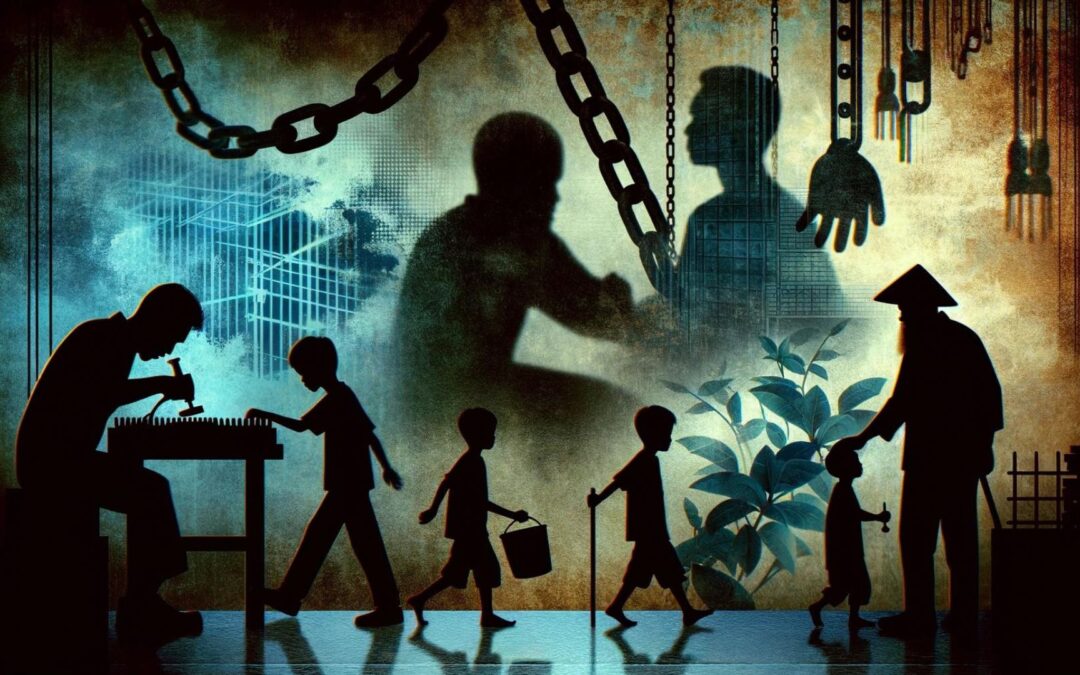
The New Face of Slavery: Has Slavery Really Ended?
We will dive into a topic today that may not be the lightest, but is certainly one of the most important discussions we need to have. Today’s topic should be something only fit for a historical article, but I’m afraid it’s not about history, but about something that is still happening today. Buckle up as we unravel the complexities of modern-day slavery and shine a light on those hidden corners of our society where the shadows of oppression still linger.
When we think of slavery, our minds often drift back to history books, images of chains, and stories of emancipation. We comfort ourselves with the belief that humanity has moved past such barbarism. But has slavery really ended, or has it merely donned a new disguise, hiding in plain sight?
Let’s start with the basics. Modern-day slavery might not involve chains, but it certainly involves shackles—those of exploitation, poverty, and desperation. From the sweatshops of fast fashion to the quiet homes where domestic workers toil away in near invisibility, slavery persists in various guises.
Ever wondered how that trendy outfit you bought for a steal came to be so cheap? It’s often at the expense of someone else’s freedom. Workers in many developing countries endure grueling hours, laughably low wages, and deplorable working conditions. They might not be locked up physically, but they’re trapped in a cycle of poverty and exploitation, with little hope of escape.
Now, let’s talk about those who live and work among us, yet remain unseen. I’m talking about domestic workers, particularly those who migrate in search of better opportunities. Many of these workers, often women, find themselves in homes where their passports are confiscated, their freedom curtailed, and their dignity eroded. They cook, clean, and care for children, but who cares for them?
And then there’s child labor. Picture this: children, barely old enough to spell their names, are thrust into harsh working environments instead of classrooms. These young ones, who should be dreaming about their futures, are instead working to survive. It’s a grim reality that persists despite global efforts to eradicate it.
Types of Modern Slavery
The faces of modern slavery are many and varied:
- Forced Labor: Workers coerced into jobs under threat of punishment, with no means to escape.
- Debt Bondage: Individuals who pledge themselves against loans and end up working indefinitely to repay debts they can never clear.
- Human Trafficking: People transported, often across borders, and exploited for labor or sexual purposes.
- Child Slavery: Beyond child labor, this includes child soldiers and child trafficking for labor or sexual exploitation.
- Domestic Servitude: Workers living in households where they are forced to work under threat and without the freedom to leave.
What makes modern slavery so insidious is its deceptive normalcy. It’s not hidden away in dark alleys; it’s woven into the fabric of our everyday lives. It’s in the products we buy, the services we consume, and sometimes, in the very structures of our homes and workplaces.
So, what can we do about it? Awareness is the first step. As consumers, we need to demand transparency and fair practices from the companies we support. As global citizens, we must advocate for stronger laws and protections for those vulnerable to exploitation. And as human beings, we must extend empathy and support to those who suffer in silence.
The fight against modern slavery is far from over, but it’s a battle we can win. By shedding light on these dark corners, by speaking up for the voiceless, and by demanding better from ourselves and our societies, we can begin to dismantle the structures that allow slavery to persist.
As I wrap up this editorial, I want to leave you with a thought: Slavery might look different today, but it’s no less real. It’s up to each one of us to recognize it, challenge it, and work towards a world where freedom isn’t a privilege for the few but a right for all.
Thank you for joining me on this journey. Stay tuned for more in-depth articles and stories as we continue to explore this crucial topic. Until next time, keep questioning, keep learning, and keep striving for a better world.
Yours in thought and action,
Danny
English Plus Magazine
Editor-in-chief
More Editorials
No Results Found
The page you requested could not be found. Try refining your search, or use the navigation above to locate the post.
Featured Articles

Louis XIV: The Sun King’s Reign and Legacy
Explore the life of Louis XIV of France – the Sun King – his rise to power, the grandeur of Versailles, and his impact on French history and global politics.

Kate Crackernuts: A Scottish Tale of Sisterhood and Hidden Beauty
Discover the enchanting story of Kate Crackernuts, a Scottish folktale about a brave princess, an envious stepmother, and the power of kindness.

Emotional Contagion: Can You Really Catch Feelings?
Have you ever felt down after being around a negative person? Discover emotional contagion and how the moods of others subtly influence your own.

Earth is Crawling with Over 1.4 Billion Insects Per Human
Did you know there are over a billion insects for every single person? Explore the astonishing world of insect populations and their role in our world.

What Does Affable Mean? A Guide to Using This Positive Word
Discover the meaning of ‘affable’ and how to use it to describe friendly, approachable people. Learn when to use this word and when to choose a different one.
“The Only Disability in Life is a Bad Attitude”: A Critical Look
Does Scott Hamilton’s quote about attitude ring true for everyone? Explore the complexities of disability and its relationship to mindset.

Don’t Put All Your Eggs in One Basket: The Art of Diversification
Understand the timeless wisdom of “Don’t put all your eggs in one basket.” Learn when to diversify and the rare times when focusing all your resources makes sense.

Game Theory: Why Your Choices (and Everyone Else’s) Matter
Game theory isn’t just about games. Learn how this concept explains strategic decision-making in business, politics, and everyday life.

Upgrade Your Health: Busting Common Myths for a Better You
Is that health advice you heard fact or fiction? We debunk popular health myths and give you actionable tips for improved well-being.
More Articles
Bad News Travels Fast: Understanding the Proverb
Is it true that bad news spreads faster? Explore the meaning of this proverb, when it applies, and when it doesn’t.
Conquer Present Simple Tense: Common Mistakes to Avoid
Struggling with the present simple tense? Learn the most common errors, why they happen, and how to build flawless sentences.
Martin Luther King Jr. on Hope and Disappointment
Explore Martin Luther King Jr.’s powerful quote on accepting setbacks but clinging to hope. Learn when to apply this wisdom for resilience and optimism.
Mozart’s Amazing Talent: Writing Music Before Words
Did Mozart truly compose music before learning to write? Explore the fascinating story of his early genius and how it shaped his musical legacy.
Ethic vs. Ethics vs. Ethical: Understanding the Differences
Get confused by ethic, ethics, and ethical? Learn the distinctions between these words and how to use them correctly in your writing.
The Power of Conformity: Why We Follow Social Norms
Ever wonder why we often adjust our behaviors to fit in? Explore the powerful forces that drive conformity and their impact on our choices.
Embrace Minimalist Writing: Say More with Less
Is your writing feeling cluttered? Discover the power of minimalism – cut the fluff, and let your words shine.
Nanotechnology: The Power of Tiny – What It is and Why It Matters
Ever wondered what’s happening at the scale of atoms? Uncover nanotechnology – the science of manipulating the super small for BIG changes.
Exercise & Chronic Conditions: Move Better, Feel Better
Can exercise help manage chronic conditions? Explore the benefits of movement for pain, fatigue, mood, and more. Get tips for safe, effective workouts.
Public-Private Partnerships in Education: Promises and Pitfalls
Can public schools and private companies work together for better education? Discover the potential benefits, the risks, and what it means for students.