
English Plus Magazine
Dive into a world of ideas, stories, English and discovery.
Letter from the Editor
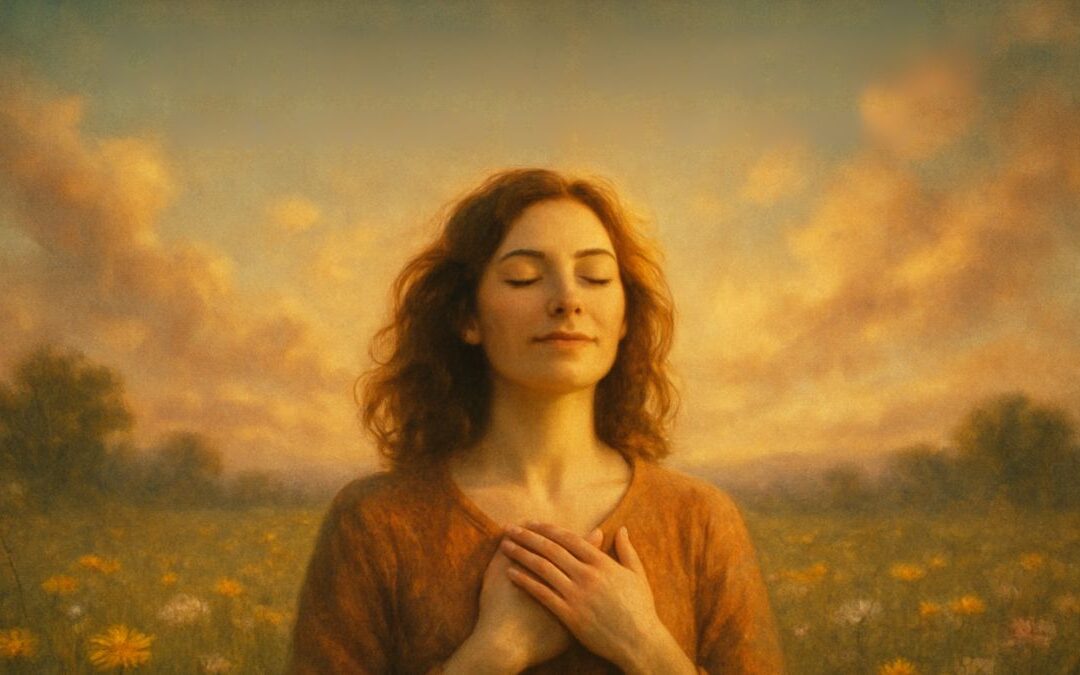
The Art of Noticing: How a Simple Shift in Focus Can Change Everything
What if the secret to a richer, fuller life isn’t about getting more, but about noticing more of what you already have? It’s a wild thought in a world that’s constantly screaming at us to upgrade, achieve, and acquire. We’re told happiness is just one promotion, one vacation, one new gadget away. But what if the treasure we’re seeking is already in our pockets, just waiting to be discovered? This isn’t about some cheesy, sunshine-and-rainbows fantasy. It’s about the very real, very powerful practice of cultivating gratitude, and learning that it’s less about a feeling and more about a way of seeing.
The Grumpy Toddler in Your Brain
Let’s be honest. Being grateful can feel… hard. Unnatural, even. You might have a roof over your head, food on the table, and people who love you, yet your brain is fixated on the fact that your Wi-Fi is slow and you spilled coffee on your favorite shirt. Why is that? Well, you can thank our ancient ancestors. Our brains evolved with a built-in negativity bias. They’re basically grumpy little security guards, constantly scanning the horizon for tigers, threats, and reasons why everything is about to go terribly wrong. That rustle in the bushes wasn’t a gentle breeze; it was a saber-toothed cat! This was super helpful for not getting eaten on the savanna, but it’s less helpful when the biggest “threat” is an annoying email from your boss. Our brains are hardwired to notice the one broken tile on an otherwise perfect floor. It’s not your fault; it’s just ancient, glitchy software running on modern hardware.
More Than Just Saying “Thank You”
So, what do we do? We can’t just tell our inner security guard to chill out. We have to give it a new job. That’s where cultivating gratitude comes in. And I want to be crystal clear: this is not about toxic positivity. This is not about slapping a smiley-face sticker on a terrible situation. Gratitude isn’t about ignoring the darkness. It’s about learning to see the light, too. It’s the conscious, deliberate act of shifting your focus. It’s acknowledging the storm while also noticing the single, stubborn flower that managed to grow through a crack in the concrete. It’s an active practice, a muscle you have to train. It’s the difference between saying a hollow “thanks” and truly feeling the warmth of the sun on your skin, truly tasting that first sip of morning coffee, truly seeing the kindness in a stranger’s eyes.
The Understated Magic of the Mundane
Think about the last time you were truly, deeply happy. I’m willing to bet it wasn’t some grand, earth-shattering moment. More likely, it was something small. The smell of rain on hot asphalt. The perfect song coming on the radio at the exact right moment. A friend sending you a meme that made you laugh so hard you cried. A really, really good sandwich. We spend so much of our lives chasing these giant, cinematic moments of joy that we trip right over the hundreds of tiny, beautiful, mundane moments that make up a life. Gratitude is the art of learning to stop tripping and start noticing. It’s about training your eyes to find the extraordinary in the ordinary. It’s the realization that a life isn’t a highlight reel; it’s a mosaic, built from thousands of tiny, seemingly insignificant pieces. And when you step back, you see that those tiny pieces have created something breathtaking.
How to Be Grateful When Everything Sucks
Okay, but what about when things are genuinely awful? What about when you’re going through a loss, a heartbreak, or a period of profound struggle? This is when gratitude feels not just difficult, but impossible. Even insulting. And that’s okay. In those moments, gratitude isn’t about being thankful for the struggle. It’s about finding something to hold onto within the struggle. Think of it like this: you’re lost at sea in a terrible storm. Gratitude isn’t pretending you’re on a luxury cruise. Gratitude is clinging to the one piece of driftwood that’s keeping your head above water. Maybe that driftwood is the friend who called just to check in. Maybe it’s the strength you didn’t know you had. Maybe it’s just the fact that you managed to get out of bed this morning and take a breath. It can be that small. And that small thing can be your anchor. It doesn’t fix the storm, but it reminds you that you’re still afloat. It’s a quiet rebellion against despair.
Let’s Get Practical: Rewiring Your Focus
So, how do we actually do this? How do we train that grumpy security guard in our brain to start looking for good things? It starts small. You don’t go from never working out to running a marathon overnight.
First, try a “gratitude hunt.” Just for today, make it your mission to actively search for three small, specific things that are good. Not “I’m grateful for my family.” That’s too big, too abstract. Get specific. “I’m grateful for the way my dog rested his head on my lap while I was working.” “I’m grateful for the taste of that perfectly ripe peach.” “I’m grateful for the 5 minutes of silence I had in my car before walking into the office.” Write them down. Say them out loud. The physical act of articulating them makes them more real.
Another powerful tool is to change your questions. Instead of waking up and thinking, “Ugh, what do I have to do today?” try asking, “What do I get to do today?” That subtle shift from obligation to opportunity can change everything. You don’t have to make breakfast; you get to nourish your body. You don’t have to go to work; you get to use your skills and earn a living. It reframes the entire narrative of your day.
The Ripple Effect of a Thankful Heart
Here’s the really beautiful part. Cultivating gratitude doesn’t just change your inner world; it fundamentally changes your outer world, too. When you start noticing the good in your life, you start radiating a different kind of energy. You become a source of that light for others. Expressing gratitude is one of the most powerful connectors we have. Think about the last time someone gave you a genuine, heartfelt thank you. Not just a polite “thanks,” but a real, “Hey, I wanted to tell you how much I appreciated what you did. It really made a difference.” How did that feel? It’s like a jolt of pure sunshine, isn’t it? It makes you feel seen, valued, and appreciated. When you give that gift to someone else, you start a chain reaction of positivity that you can’t even begin to measure. You’re not just making your day better; you’re making the world a slightly warmer, kinder place. It’s the ultimate win-win.
This practice, this simple art of noticing, is the bedrock of a joyful life. It doesn’t mean life will be perfect. It won’t be. There will still be storms. There will still be broken tiles. But you’ll have a new lens through which to see it all. You’ll have an anchor in the storm and an appreciation for the floor itself. You’ll begin to understand, on a deep, cellular level, that the life you are living, right now, with all its beautiful imperfections, is a gift.
So, I’ll leave you with this to think about. What’s one small, mundane, easily overlooked thing from your day today that you can be truly grateful for? And how would your life change if you started looking for that one thing every single day?
Share your thoughts in the comments below. I’d genuinely love to hear what you find.
More Editorials
No Results Found
The page you requested could not be found. Try refining your search, or use the navigation above to locate the post.
Featured Articles

How Your Beliefs About Aging Impact the Way You Age
Learn how your beliefs about aging can influence your physical and mental health. Discover how a positive mindset toward aging can help you live longer and feel better.

Explore the Town of Hell, Norway: A Fascinating Spot on the Map
Discover the unique town of Hell in Norway. Learn about its history, geography, and why it has become a quirky tourist destination, attracting visitors with its unusual name and charm.

Symbiosis in Nature: How Species Thrive by Helping Each Other
Explore how different species in nature help each other through symbiosis. Learn about the types of symbiotic relationships and how these interactions benefit ecosystems.

FAQ About the Industrial Revolution: Everything You Need to Know
Discover the answers to frequently asked questions about the Industrial Revolution. Learn about its origins, key inventions, and lasting impact on modern society.

Mastering the Meaning of Gauche: Understanding Awkward Social Behavior
Learn the meaning of the word “gauche” and how to use it effectively. Discover why this term describes awkward social behavior and when it applies in real-life situations.

Exploring Temperate Deciduous Forests: Where Leaves Change Color with the Seasons
Discover the beauty and biodiversity of temperate deciduous forests, where leaves change color with the seasons. Learn about their unique features, plant life, and the role they play in the environment.

Is Earth’s Distance from the Sun Responsible for the Seasons?
Discover the truth behind the common misconception that Earth’s seasons are caused by its varying distance from the Sun. Learn what really influences seasonal changes.
Good Things Come to Those Who Wait, but Better Things Come to Those Who Act
Discover the meaning behind the quote “Good things come to people who wait, but better things come to those who go out and get them.” Explore how patience and action work together to achieve success.

What Does It Mean to Put Your Best Foot Forward? Exploring the Power of First Impressions
Learn what it means to put your best foot forward, why first impressions matter, and how applying this proverb can positively impact your personal and professional life.
More Articles
Are All Deserts Hot? Debunking a Common Myth About Deserts
Discover the truth behind the myth that all deserts are hot. Learn about cold deserts like Antarctica and explore how deserts are defined by more than just temperature.
The Power of Focus: Swami Vivekananda’s Key to Success
Explore the wisdom behind Swami Vivekananda’s advice to focus on one idea fully for success. Learn how single-minded dedication can transform your life and bring success.
Prevention is Better Than Cure: Why Proactive Measures Matter
Discover the timeless wisdom behind the proverb ‘Prevention is better than cure,’ exploring how proactive measures can save time, health, and effort in the long run.
The Turin King List: Unraveling Ancient Egypt’s Royal Mystery
Discover the mysteries behind the Turin King List, an ancient Egyptian document that sheds light on Egypt’s dynasties and the unknown rulers of the past.
How Music Affects the Brain: Unlocking the Power of Sound
Discover how music influences your brain, from boosting memory to improving emotional well-being. Learn about the science behind music’s power on the mind.
Psychology in Education: Unlocking Student Success Through Learning, Emotional Intelligence, and Inclusion
Discover how the psychology of learning, emotional intelligence, cognitive biases, positive psychology, and inclusive practices can transform modern teaching methods, helping students thrive academically and emotionally in today’s classrooms.
Napoleon Bonaparte: The Rise, Reign, and Legacy of a Revolutionary Emperor
Discover the life, legacy, and complex influence of Napoleon Bonaparte—from his rise to power and military genius to his sweeping reforms and ultimate downfall. Explore how he reshaped Europe and left a lasting mark on modern history.
Exploring Gender Representation in Literature: How Stories Shape Identity
Discover how gender representation in literature has evolved over time, shaping cultural norms and influencing identity. Explore key themes and examples from classic and modern works.
Understanding Canada’s First Nations’ Potlatch Ceremony: A Tradition of Culture and Community
Discover the rich history and cultural significance of Canada’s First Nations’ Potlatch Ceremony. Explore how this tradition fosters community, storytelling, and the celebration of heritage.
Embrace Your Journey: How Gratitude Transforms Your Life
Discover the transformative power of gratitude and how appreciating your personal journey can bring peace and fulfillment. Learn practical tips for cultivating gratitude in daily life.
Learn English Magazine
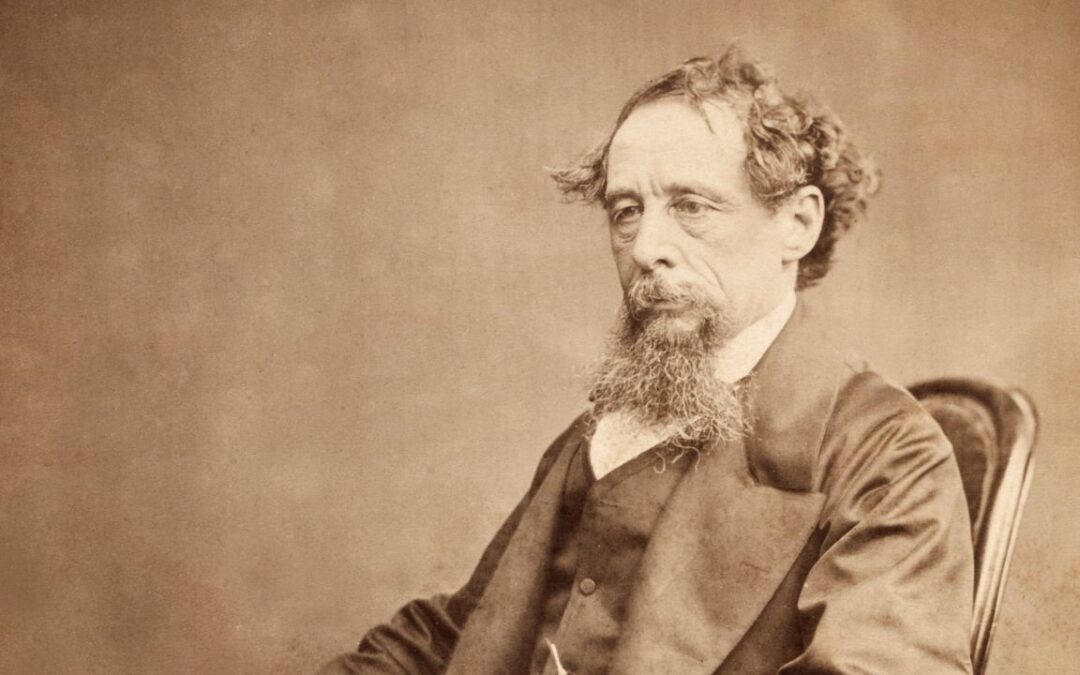
Charles Dickens and His Impact on Victorian Society: Understanding the Power of Literature
Explore the profound influence of Charles Dickens on Victorian society through his vivid portrayal of social issues, humanization of the lower classes, and advocacy for reforms. Discover how his personal experiences shaped his novels and left a lasting legacy in the annals of literature.
The Lottery by Shirley Jackson: A Haunting Tale of Tradition and Dark Secrets
Dive into the chilling world of Shirley Jackson’s “The Lottery,” where tradition takes a sinister turn. Explore the story’s intricate details, its powerful symbolism, and gain insights from an exclusive interview with the acclaimed author herself. Uncover the hidden layers of this unforgettable short story that continues to captivate readers with its timeless themes and thought-provoking narrative.

Introduction to Poetry: Exploring the Beauty and Diversity of an Ancient Art Form
Discover the world of poetry and its rich diversity. Learn about the use of imagery, metaphors, and other literary devices. Explore different poetry styles and forms, and find inspiration for reading, interpreting, and writing your own poetry.
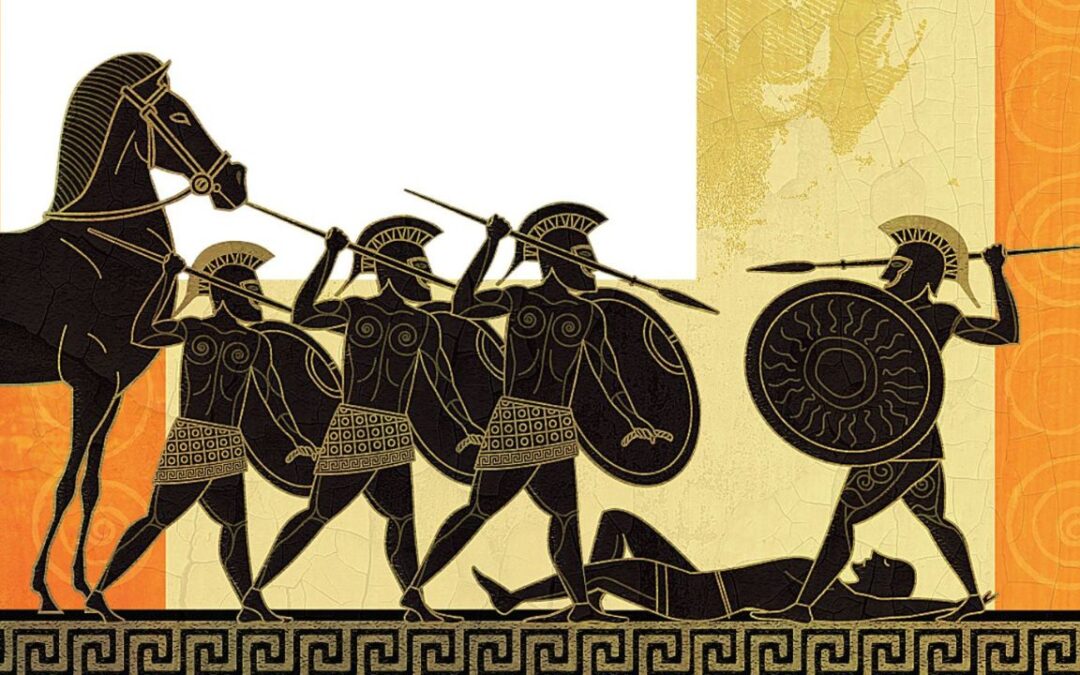
The Evolution of Ancient Epics: From Gilgamesh to The Iliad
Explore the profound impact of ancient epics such as Gilgamesh and The Iliad on the evolution of literature, uncovering their narrative structures, character development, and timeless themes that continue to resonate with modern readers.

Mastering Narrative Perspectives: A Comprehensive Guide to First, Second, and Third-Person POV
Dive into our comprehensive guide on narrative perspectives, exploring the pros and cons of first, second, and third-person POV in storytelling. Master the art of choosing the right POV for your story.

Jane Austen Unveiled: Timeless Social Commentary & The Immortal Appeal of Her Novels
Dive into the world of Jane Austen and discover the timeless social commentary and enduring appeal of her novels, as we explore the reasons behind her immortal status in literature and her impact on contemporary culture.

Literary Analysis of “The Machine”: A Dystopian Tale of Rebellion and Destiny
Dive into a comprehensive literary analysis of “The Machine,” a dystopian short story exploring themes of individuality, power, and resistance. Discover discussion questions, close reading tips, and more to enhance your understanding of this thought-provoking narrative.

Enchanting Love Poems: A Journey Through Timeless Verses of Passion and Devotion
Immerse yourself in this captivating collection of timeless love poems, featuring renowned poets and their passionate verses. Explore the depths of human emotion and the transformative power of love through these evocative and enduring poems.
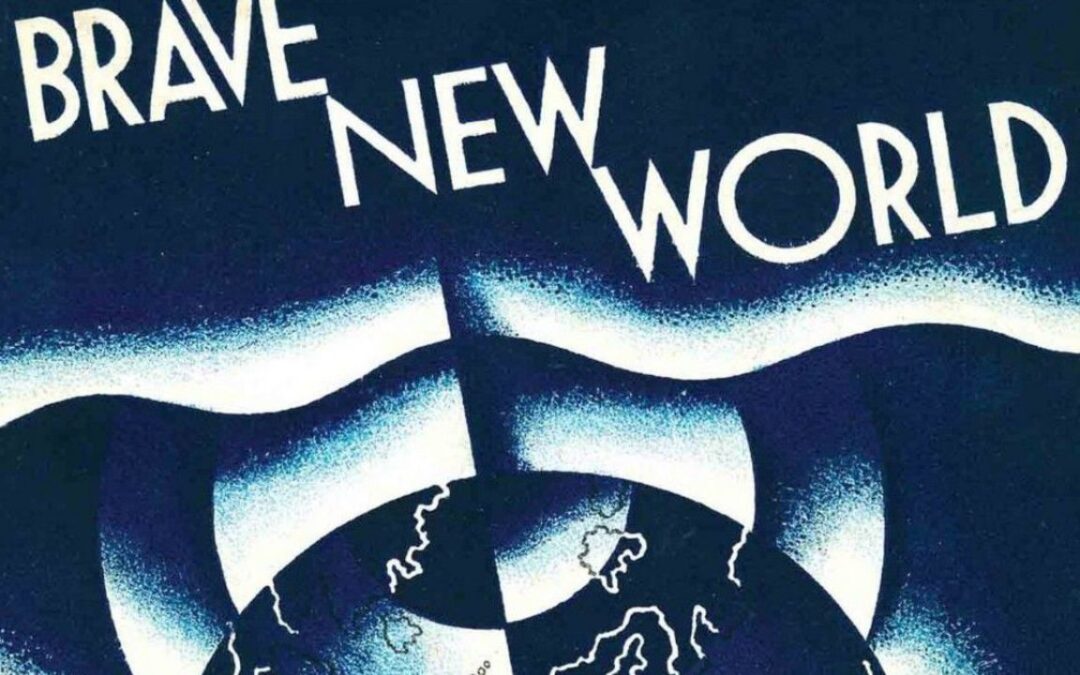
Brave New World by Aldous Huxley: A Timeless Warning About the Dangers of Technological Progress and State Control
Dive into the captivating world of Aldous Huxley’s “Brave New World.” This comprehensive article explores Huxley’s life, the themes and motifs of his dystopian masterpiece, and its impact on literature and popular culture. Discover why this timeless classic remains relevant today as a warning about the dangers of technological progress and state control.

Finding Your Narrative Voice: Tips for Developing a Unique Writing Style
Discover the importance of narrative voice in creating engaging stories, and learn tips for developing your own unique writing style through reading widely, reflecting on your experiences, experimenting with different techniques, and staying true to yourself.
Literary Magazine
No Results Found
The page you requested could not be found. Try refining your search, or use the navigation above to locate the post.