
English Plus Magazine
Dive into a world of ideas, stories, English and discovery.
Letter from the Editor

The Honest Truth About Lying
Imagine this: your best friend is hiding in your attic. A frantic, terrifying knock rattles your front door. You open it to find a wild-eyed person holding an axe, who asks, “Is your friend here? I’m going to hurt them.” What do you say? The truth? Or a lie? I’m guessing you’d lie without a second thought. You’d lie your face off, and you’d be a hero for it. And yet, from the moment we’re old enough to speak, we’re taught one simple, unshakeable rule: don’t lie. It’s bad. It’s wrong. But as we just discovered, it’s also… complicated. This is where we step into the foggy, fascinating moral maze of the ethics of lying, a place where good intentions and dishonest words get tangled up in the very fabric of what it means to be human.
The All-or-Nothing Approach (And Why It’s a Little Scary)
Let’s start with the hardliners. There was this brilliant, and famously rigid, philosopher named Immanuel Kant.1 He believed that some rules are absolute. Universal. He called this the “Categorical Imperative,” which is just a fancy way of saying if something is wrong, it’s wrong all the time, for everyone, in every situation. No exceptions. So, for Kant, lying isn’t just a bad choice; it’s a fundamental violation of moral law. He argued that if we all lied whenever we felt like it, the very concept of trust and communication would collapse. Society would crumble. It’s a powerful argument. Honesty as the bedrock of civilization. But then you get back to our axe-wielding friend at the door. Kant, in his unwavering consistency, would argue that even then, you cannot lie. You must tell the truth. It’s a chilling thought, isn’t it? It prioritizes an abstract principle over a real, breathing human life. It’s a perfect system for a world that isn’t messy, emotional, or filled with people carrying axes. In other words, a world that isn’t ours.
Let’s All Just Do the Math: The “Greater Good” Gambit
So, if the no-exceptions rule feels a little… robotic, what’s the alternative? Enter a different school of thought, Utilitarianism. Forget rigid rules; let’s just focus on the outcome. The most ethical choice is the one that produces the greatest amount of good, or happiness, for the greatest number of people. Suddenly, our dilemma at the door becomes a simple math problem. Lying leads to one person (the axe-wielder) being unhappy, while telling the truth leads to at least one person being, well, axed. Easy choice! Lie, and you’ve maximized the good. This feels so much more intuitive, so much more humane. This is the logic behind what we call the “noble lie.” It’s the doctor who tells the family their loved one passed peacefully in their sleep, even if it was a struggle, to spare them additional pain. It’s the leader who conceals terrifying information to prevent mass panic. The goal is to create a better outcome. But… and there’s always a but… this path has its own shadows. Who decides what the “greatest good” is? What if you do the math wrong? What if your lie, intended to create happiness, backfires spectacularly and causes even more suffering? It puts an immense amount of pressure on our ability to predict the future, something we humans are notoriously terrible at.
It’s Not What You Do, It’s Who You Are
Maybe we’re asking the wrong question. Instead of asking “Is this lie right or wrong?” what if we asked, “What does telling this lie make me?” This is the core of Virtue Ethics, a philosophy championed by Aristotle. He wasn’t as concerned with rules or outcomes as he was with character. For him, the goal of life was to cultivate virtues: courage, patience, compassion… and, of course, honesty. A good person is an honest person. Lying, then, isn’t just breaking a rule; it’s a small act of corrosion on your own soul. It makes you less trustworthy, less whole. Each little white lie is like a tiny chip in your character. But here’s the beautiful, maddening conflict: what happens when virtues collide? Isn’t compassion also a virtue? What about loyalty? Back at that front door, the virtue of honesty is in a direct cage match with the virtue of protecting a friend. The virtue of compassion for your friend is fighting the virtue of honesty to a stranger. This framework doesn’t give you a clean answer. Instead, it asks you to use wisdom, to weigh the virtues, and to choose which kind of person you want to be in that moment. It’s less of a rulebook and more of a compass.
The Many Faces of Deception
The truth is, not all lies are created equal. We have a whole wardrobe of them we pull out for different occasions. There’s the classic White Lie, the social lubricant of our species. “Your new haircut looks great!” “This casserole is delicious!” “Sorry I’m late, traffic was a nightmare.” Are they really harmless? Or do they create a world where we can never quite trust the small stuff, making it harder to trust the big stuff? Then there’s the Lie of Omission. You didn’t say something false, you just… didn’t say something true. You sold a car and “forgot” to mention the weird rattling sound it makes on Tuesdays. It feels less dirty, doesn’t it? But the intent to deceive is exactly the same. And perhaps most insidiously, there are the lies we tell ourselves. “I’m not really unhappy.” “I can quit this bad habit anytime I want.” “Everything is fine.” This self-deception can be a temporary shield, a coping mechanism to get us through a hard time. But when it becomes a lifestyle, it prevents us from ever facing reality, from ever truly growing. It’s the lie that eats you from the inside out.
Living in the Fog
So where does this leave us? Trapped between a rigid rule that feels inhuman, a calculation that feels impossible, and a character test that has no right answer. It leaves us right in the middle of the messy, beautiful, complicated business of being a person. The ethics of lying isn’t a problem to be solved like an algebra equation. It’s a tension to be managed, every single day. It reminds us that morality isn’t a checklist; it’s a conversation. It’s about pausing before we speak and asking ourselves: Why am I choosing this path? Is it out of kindness or cowardice? Am I protecting someone, or just protecting myself? Am I building a bridge, or am I planting a landmine that will explode later? There is no universal flowchart that can tell you when to lie. There is only your conscience, your compassion, and your courage.
And maybe, just maybe, the goal isn’t to be perfectly honest, but to be thoughtfully honest. To wield the truth with kindness, and to wield our deceptions, when we absolutely must, with a profound sense of responsibility for the consequences.
So, I’ll leave you with a different kind of dilemma. Forget the axe-wielder. Think about a lie you’ve told recently. A small one, a big one, it doesn’t matter. Why did you tell it? And if you could go back, would you do it again?
I would love to hear your stories and your thoughts in the comments. Let’s try to navigate this fog together.
More Editorials
No Results Found
The page you requested could not be found. Try refining your search, or use the navigation above to locate the post.
Featured Articles

Gratitude in Everyday Life: How Often Do You Express It, and How?
Discover how expressing gratitude can improve your well-being. Learn practical ways to incorporate gratitude into daily life and the benefits it brings.

Is a Career as a Graphic Designer Right for You?
Thinking about becoming a graphic designer? Explore what it takes to succeed in this creative career, including essential skills, challenges, and opportunities.

Understanding Why Humans Engage in Violence
Explore the reasons behind human violence, delving into psychological, social, and evolutionary perspectives. Discover why aggression persists and how understanding it can lead to positive change.

The Hunchback of Notre-Dame: Victor Hugo’s Masterpiece of Love and Tragedy
Explore the timeless themes of love, fate, and compassion in Victor Hugo’s The Hunchback of Notre-Dame. Discover how this immortal work of literature still resonates with readers today.

How to Develop Your Authorial Voice and Make Your Writing Stand Out
Learn how to develop your authorial voice and discover the key to creating authentic, engaging writing. This guide explores practical tips for finding and refining your unique voice.

How Gut Health Impacts Overall Wellness
Explore the vital connection between gut health and overall wellness. Learn how your gut influences digestion, immunity, mental health, and more, plus ways to maintain a healthy microbiome.

Donatello: The Renaissance Sculptor Who Shaped Art History
Discover the life and legacy of Donatello, one of the most influential sculptors of the Renaissance. Learn how his innovative techniques revolutionized art and left a lasting mark on history.

Understanding Mental Health Challenges in Marginalized Communities
Explore the unique mental health challenges faced by marginalized communities, including systemic barriers, stigma, and access to care. Learn about the importance of inclusive mental health support.

The Cailleach Beara: Ireland’s Mysterious Goddess of Winter and Rebirth
Discover the legend of the Cailleach Beara, an ancient figure from Irish mythology. Learn how she symbolizes winter, transformation, and the cycles of life in Celtic folklore.
More Articles
The Legacy of Paul Cézanne: Pioneer of Modern Art
Discover the lasting impact of Paul Cézanne, a master painter who laid the foundation for modern art. Explore his unique style, influence on other artists, and his journey to becoming an iconic figure in art history.
The Magic of Charlie and the Chocolate Factory by Roald Dahl
Explore the enchanting world of Roald Dahl’s Charlie and the Chocolate Factory. Learn about its timeless appeal, key themes, and why it remains a beloved children’s classic.
How Education Can Help Combat Systemic Racism
Discover how education can play a vital role in combating systemic racism, from creating inclusive curriculums to empowering students with critical thinking skills. Learn more about the impact of education on racial justice.
The Legend of the Jersey Devil: Myth and Mystery of the Pine Barrens
Discover the chilling legend of the Jersey Devil, a mythical creature said to haunt the Pine Barrens of New Jersey. Explore the origin, sightings, and cultural impact of this mysterious creature.
How Giving Activates the Pleasure Centers in Your Brain
Discover how the simple act of giving can activate pleasure centers in your brain, boosting happiness and well-being. Learn the science behind why generosity feels so good.
Did You Know Vincent van Gogh Sold Only a Few Paintings in His Lifetime?
Discover the fascinating story of how Vincent van Gogh, now one of the most famous artists in history, only sold a few paintings during his lifetime. Learn more about his journey and legacy.
Neuroplasticity: How Our Brain Changes Throughout Life Explained
Discover how neuroplasticity allows the brain to adapt and change throughout life. Learn how our experiences shape our brain and how to harness this power for personal growth.
Frequently Asked Questions About Cultural Relativism Explained
Explore frequently asked questions about cultural relativism, its key concepts, and how it impacts our understanding of different cultures. Learn more in this comprehensive guide.
Understanding Xenophobic: Meaning, Impact, and Why It Matters
Learn the meaning of xenophobic, its impact on society, and why addressing xenophobia is crucial for promoting inclusivity and understanding.
Understanding the Seasons: Earth’s Annual Cycle Explained
Discover how Earth’s tilt and orbit create the changing seasons. Learn about the science behind Earth’s annual cycle and how it affects life on our planet.
Learn English Magazine

How Does Literature Help Us Make Sense of the World?
Have you ever considered the question, How Does Literature Help Us Make Sense of the World?” Join D. H. Phoenix as he shares interesting insights on this question in this column.

Show, Don’t Tell: The Art of Using Descriptive Language to Immerse Readers in Your Story
Explore the power of descriptive language and storytelling techniques to captivate readers and create an immersive experience in your writing. Learn how to show, not tell, by engaging the senses, revealing inner thoughts, utilizing subtext, and incorporating symbolism and metaphor. Master the art of storytelling and engage readers on a deeper level.

Ernest Hemingway: Exploring His Unique Writing Style and Influential Works
Discover the brilliance of Ernest Hemingway’s writing style and explore the profound impact of his influential works. Uncover the secrets of his minimalist prose, the power of his dialogue, and the embodiment of the Hemingway Code Hero. From “The Old Man and the Sea” to “For Whom the Bell Tolls,” delve into the timeless themes and universal appeal that make Hemingway an immortal figure in the literary world.
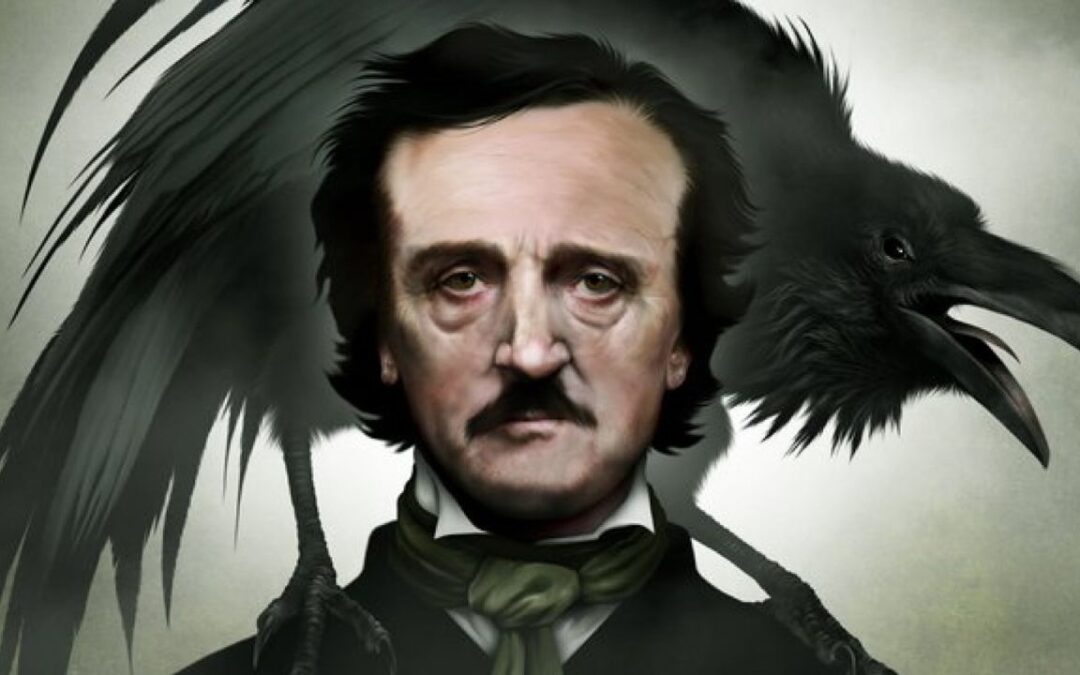
Unveiling the Haunting Secrets: “The Tell-Tale Heart” by Edgar Allan Poe
Explore the depths of the human psyche in Edgar Allan Poe’s timeless masterpiece, “The Tell-Tale Heart.” Uncover the haunting secrets behind this psychological thriller as we delve into Poe’s obsession, guilt, and the blurred line between sanity and insanity. Discover the enduring legacy of this dark tale and its influence on the genre of psychological thrillers.

Exploring Different Forms of Poetry: Sonnets, Haikus, and More
Explore the diverse world of poetry through sonnets, haikus, free verse, epic poetry, and more. Learn about the unique characteristics, structures, and themes of each poetic form, and discover the transformative power of words.

Unforgettable Opening Lines in Literature: Engaging Readers from the Very First Line
Explore the power of unforgettable opening lines in literature, from promising adventure to portraying character complexity. Discover how these lines engage readers, set the tone, and leave a lasting impact.

The Enduring Influence of Ancient Greek Drama on Western Literature
Discover the profound and pervasive influence of Ancient Greek drama on Western literature. Explore its impact on structure, themes, characterization, and literary devices, shaping the narrative fabric of countless works throughout history.

Time in Poetry: Reflecting on the Past, Present, and Future
Explore the profound themes of time in poetry as it reflects on the past, embraces the present, and contemplates the future. Discover the ways in which poetry captures the essence of human experiences, emotions, and shared memories, offering solace and wisdom through beautifully crafted verses.
Mastering the Art of Writing Realistic and Engaging Dialogue in Literature
Learn practical tips to craft authentic and purposeful dialogue that develops characters, propels the plot, and captivates readers in the world of literature.

10 Classic Novels Every Book Lover Should Read | Must-Read Literary Masterpieces
Explore a curated list of 10 classic novels that every book lover should read. From Austen’s “Pride and Prejudice” to Hugo’s “Les Misérables,” these timeless literary masterpieces offer profound insights into human nature and society. Immerse yourself in these influential works of fiction and expand your reading horizons.
Literary Magazine
No Results Found
The page you requested could not be found. Try refining your search, or use the navigation above to locate the post.